
Apparel Production Solutions: Understanding Fabric Tech
This guide maps the relationship between clothing categories and specific fabrics from the perspective of Yali-Clothing OEM Custom Apparel Solutions. It aims to help you navigate the confusion of fabric markets, handle color cards effectively, and avoid common pitfalls during the sampling process.
I. Trench Coat Category
Trench coats primarily use polyester, but suitable fabrics are diverse. Key requirements are wind resistance, dense weave structures, and often waterproof functionality.
-
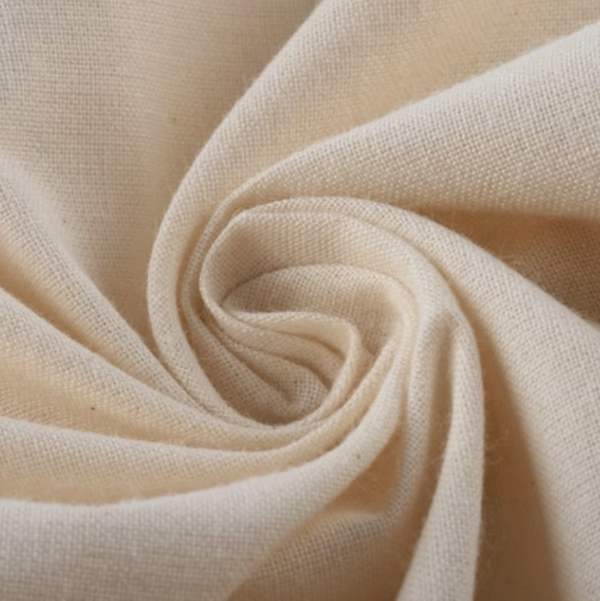
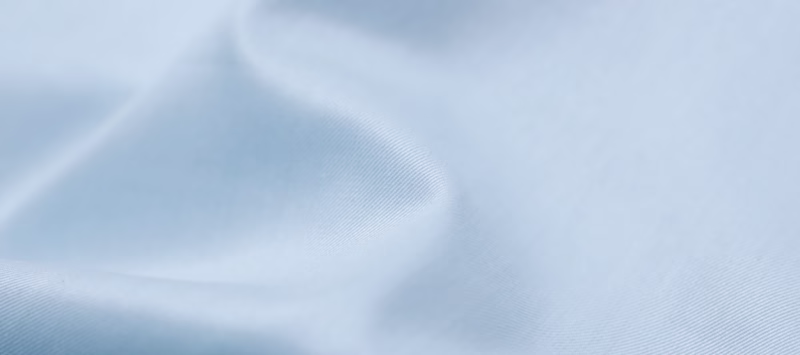
100% Organic Cotton (Fine Twill): Comfortable, breathable, and waterproof.
-
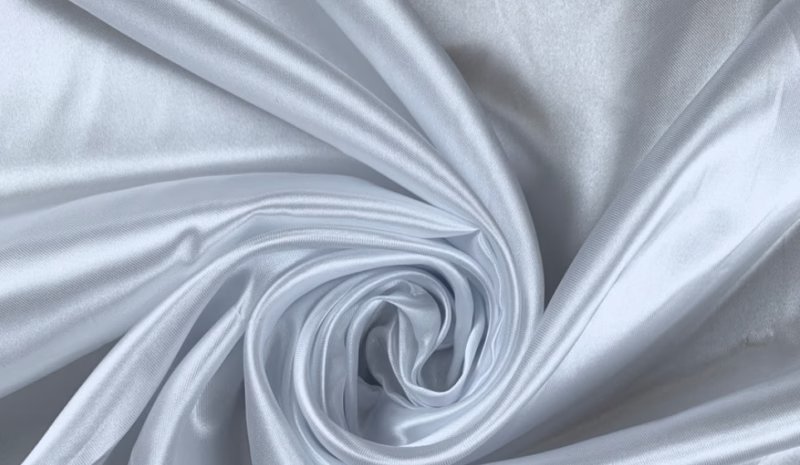
100% Polyester (Smooth Satin): Waterproof and durable with a high-tech outdoor aesthetic.
-
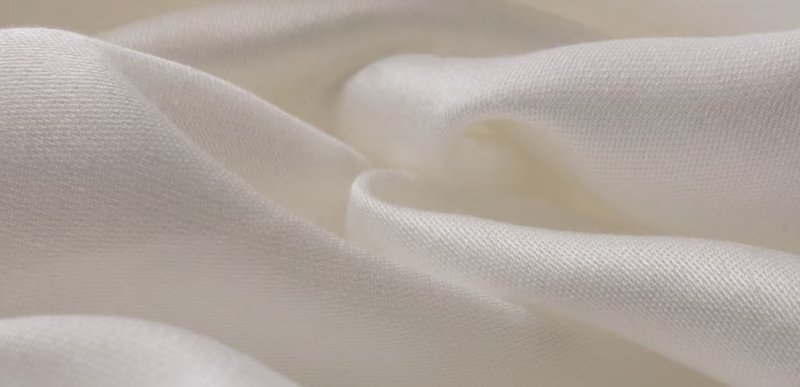
100% Silk (Satin Weave): Soft, silky hand-feel with a gentle luster.
-
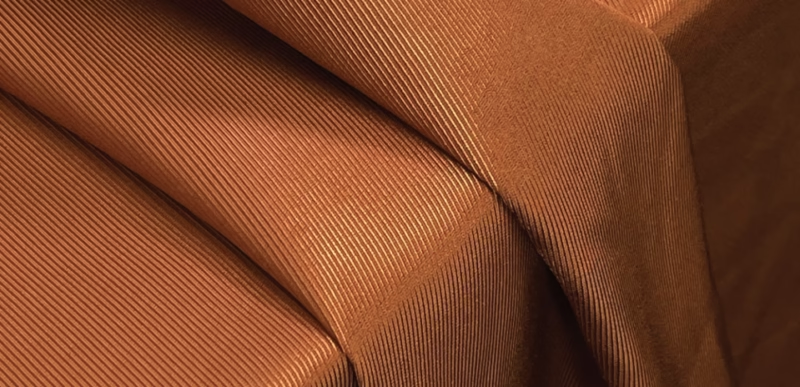
100% Viscose (Satin Weave): Breathable like cotton but softer; excellent color absorption for diverse finishes.
-
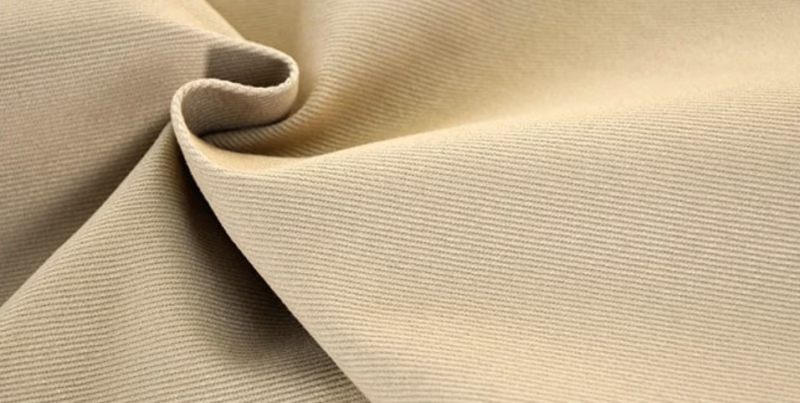
100% Cotton (Dense Twill): Crisp, structured, and breathable.
-
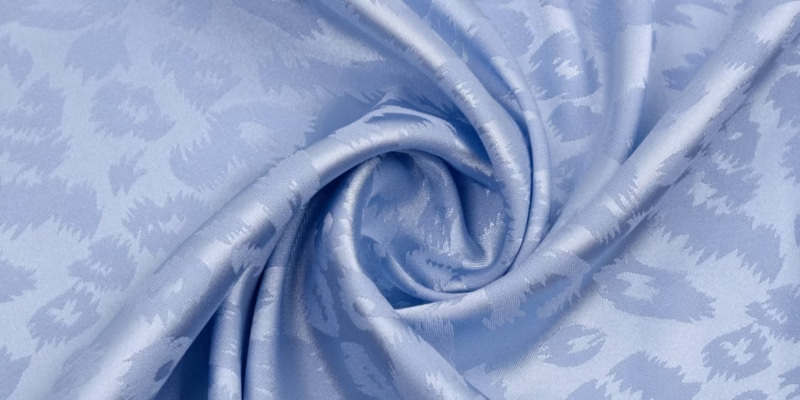
100% Polyester (Jacquard): Silky satin feel, lightweight and soft.
-
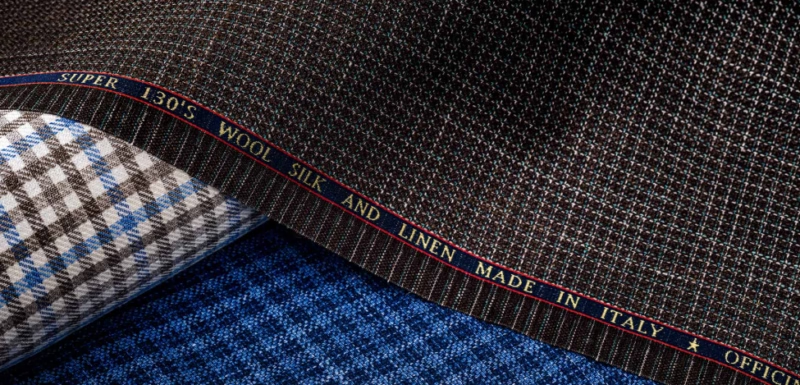
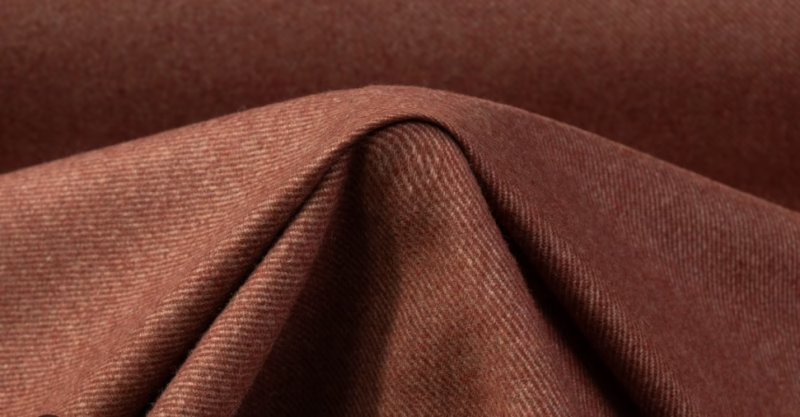
Wool/Cotton Blends (55/45 Yarn-dyed): Soft yet structured with a delicate fleecy texture.
-
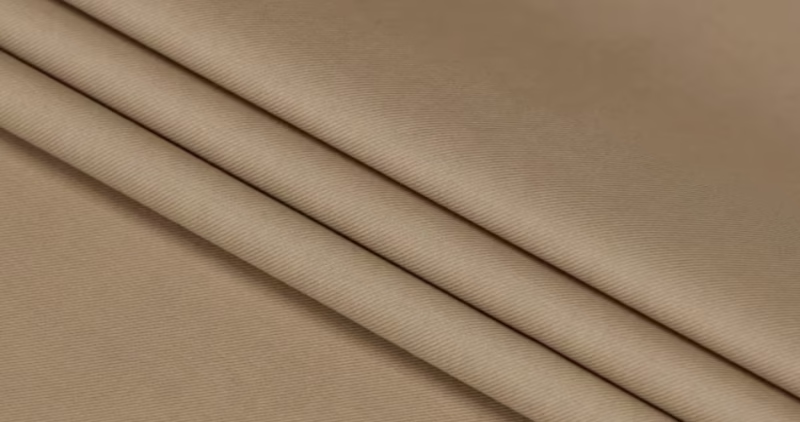
Cotton/Wool Blends (62/37 Twill): Enhanced crispness with visible twill texture.
-
Nylon/Wool Blends (Twill): Delicate, waxy texture; lightweight and warm.
II. Custom Shirt Category
-
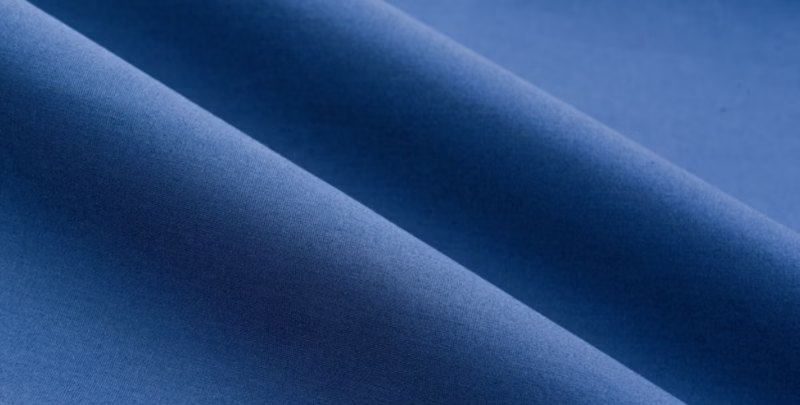
Pure Cotton: Comfortable and absorbent, but prone to wrinkles and deformation.
-
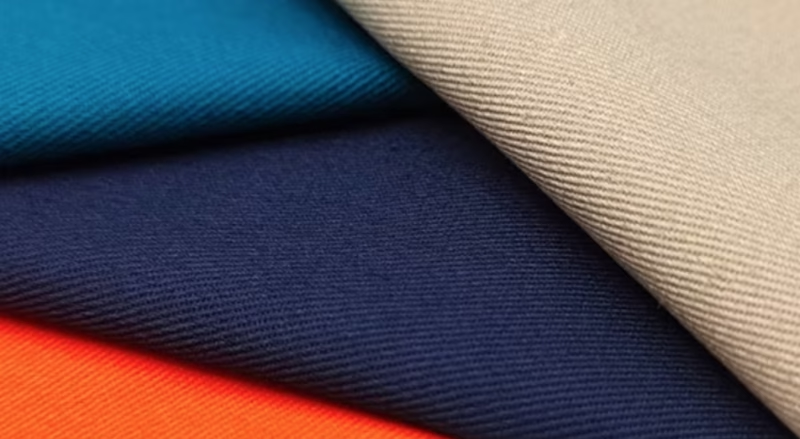
TC Blend: A mix of cotton and chemical fibers; balances comfort with durability.
-
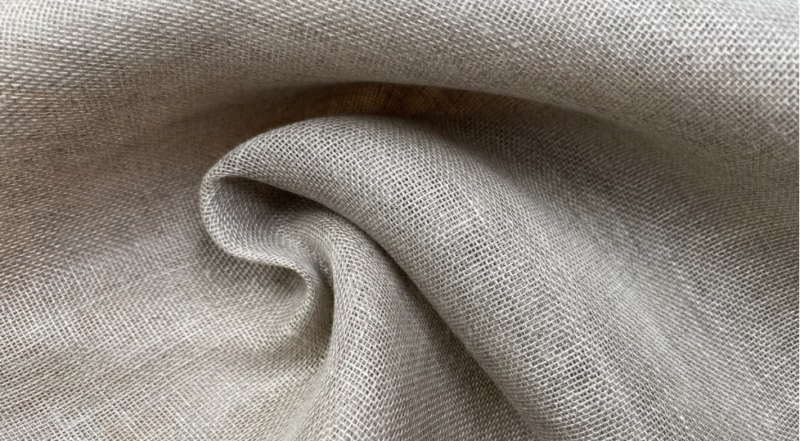
Linen: Highly breathable and cool, but wrinkles easily (casual aesthetic).
-
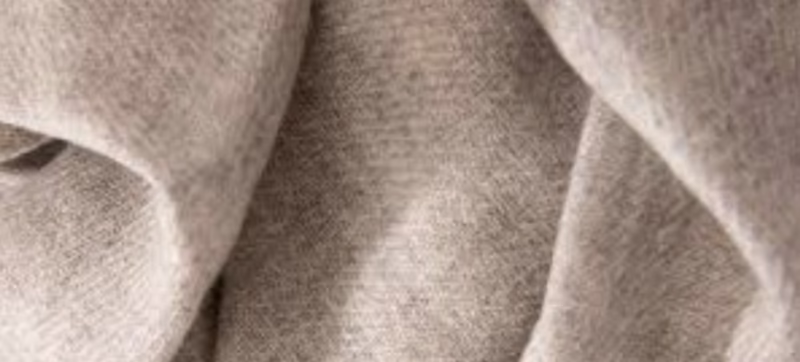
Wool: High-end worsted wool for Fall/Winter; excellent warmth and visual depth.
-
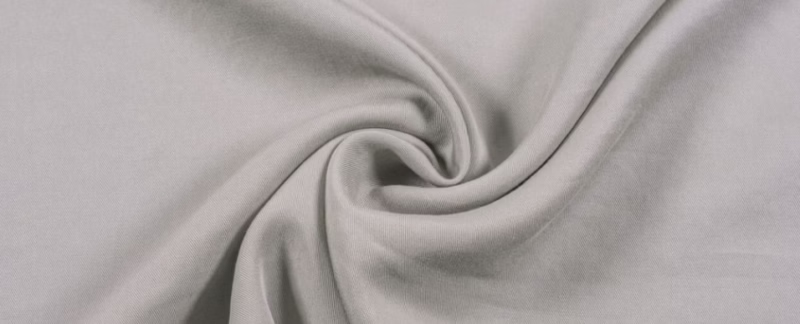
Tencel: Ideal for Spring/Summer; smooth but requires high maintenance.
-
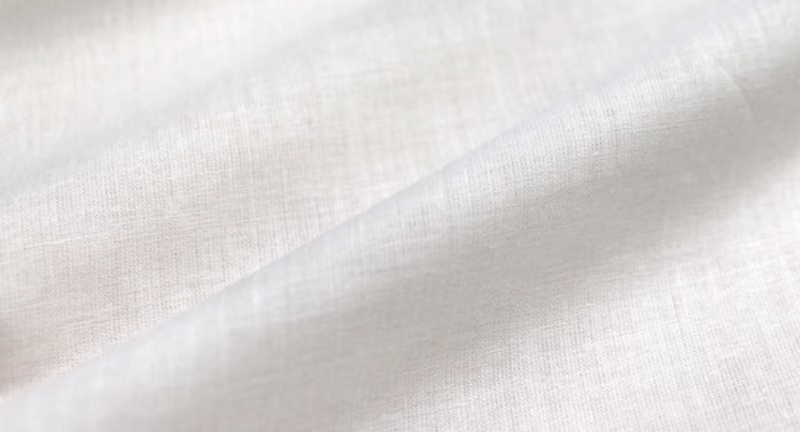
Fine Lawn: Lightweight plain weave made from high-quality fine yarns.
-
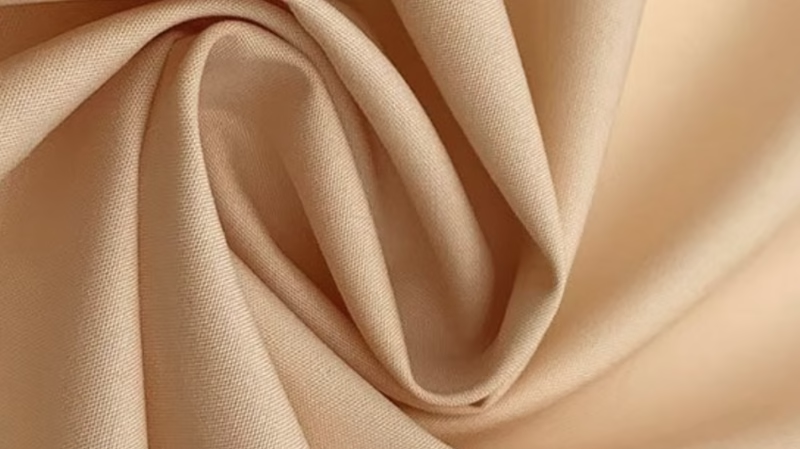
Poplin: The smoothest and densest; very formal, though it can attract lint.
-
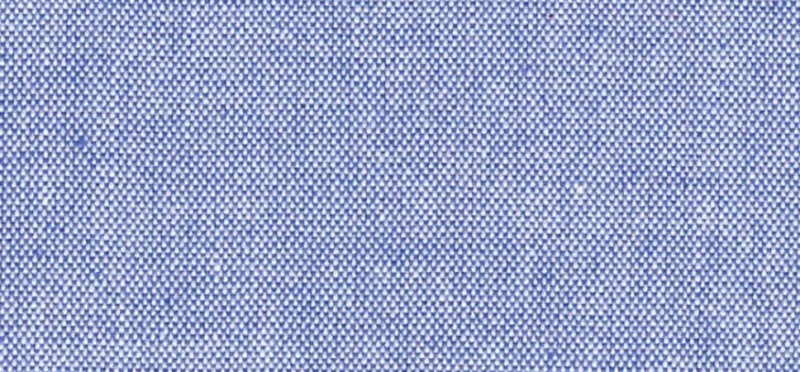
Oxford: Rugged texture, durable and soft; less formal than poplin.
-
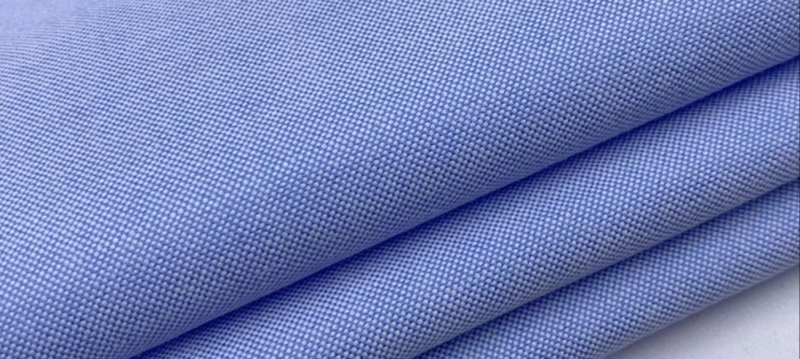
Pinpoint Oxford: Uses finer yarns than standard Oxford for a silkier, softer feel.
-
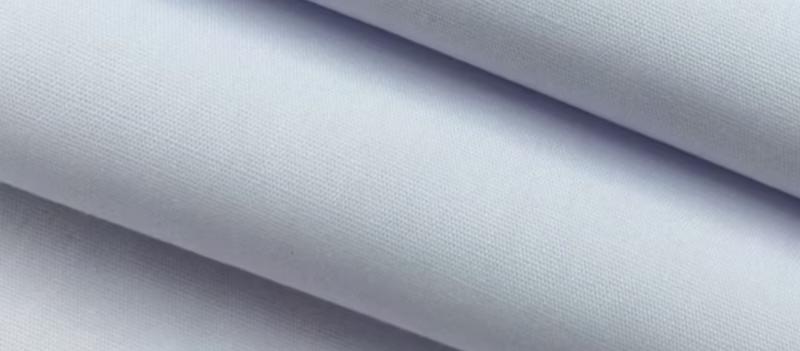
Long-Staple Cotton: High-end “business casual” choice; soft but prone to wrinkling.
-
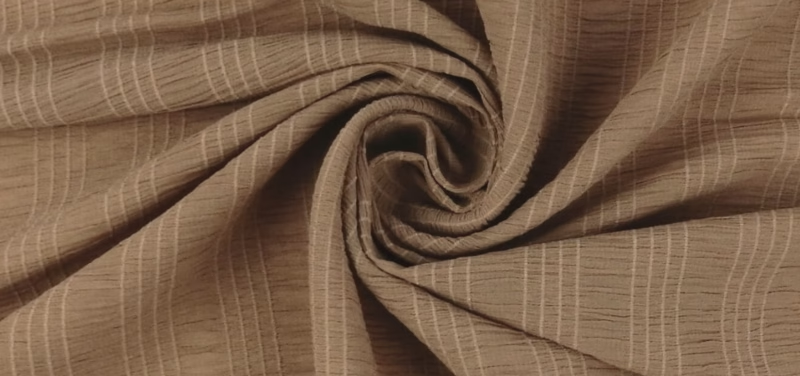
Seersucker: Summer exclusive; bumpy texture prevents fabric from sticking to skin.
-
Sea Island Cotton: The “silk of cottons”; ultra-fine, perfect for sharp prints.
III. Down Jacket Category
Focuses on density (T-count) and down-proofing.
-
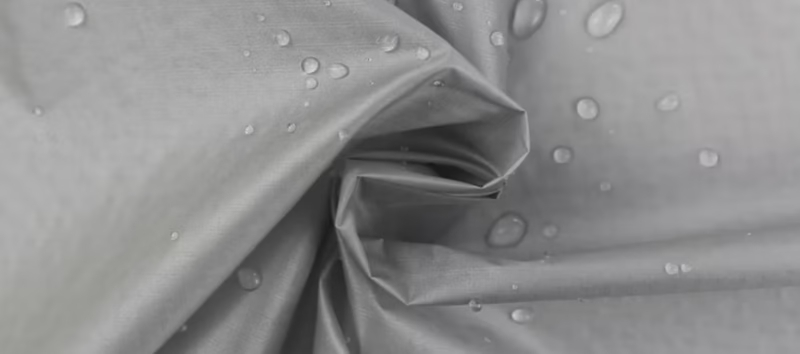
High-Density Nylon (Nylon Taslan): Smooth, soft, wear-resistant, and quick-drying.
-
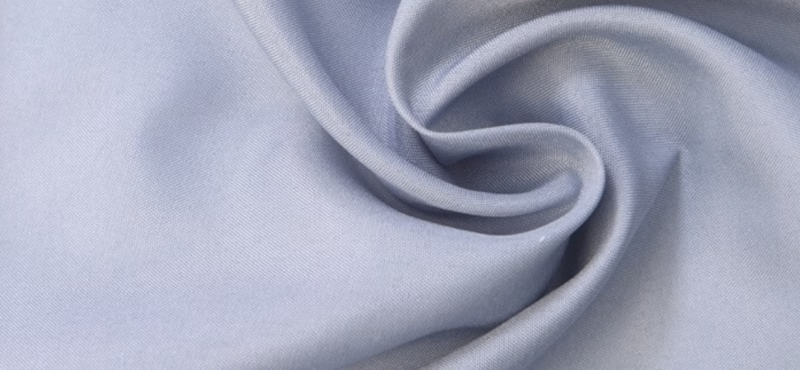
High-Density Pongee: Ranging from 300T to 370T for superior down retention.
-
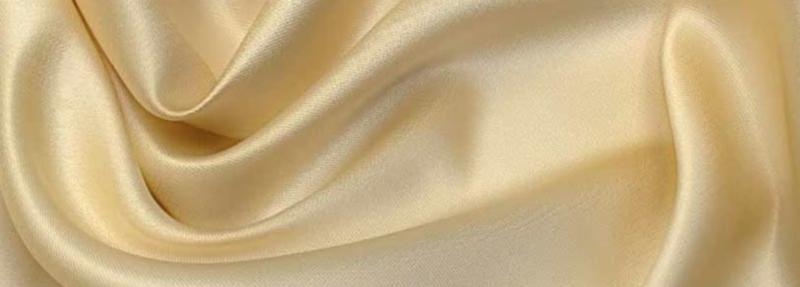
High-Density Polyester Taffeta: Versatile for down jackets, windbreakers, and linings.
-
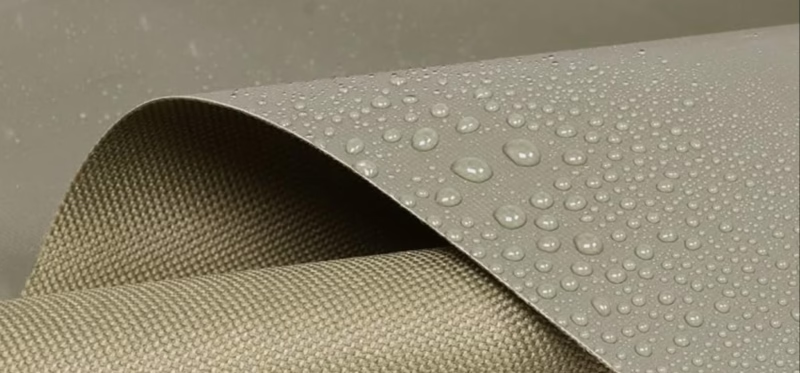
Waterproof Coated/Laminated Fabrics: Similar to hardshell jackets; breathable yet waterproof.
-
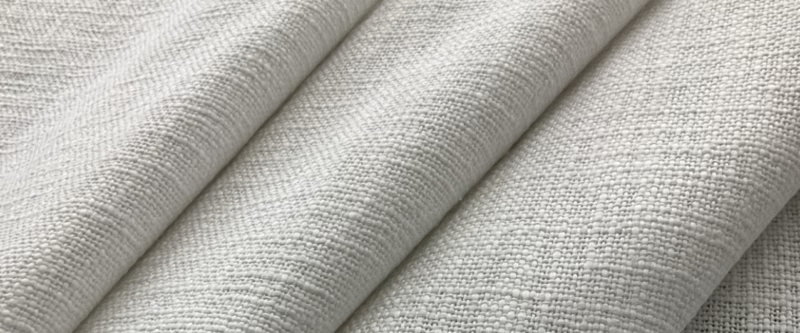
Woven Fabric + Down-proof Lining: Uses lower density outer fabric with an added inner layer to prevent leaking.
-
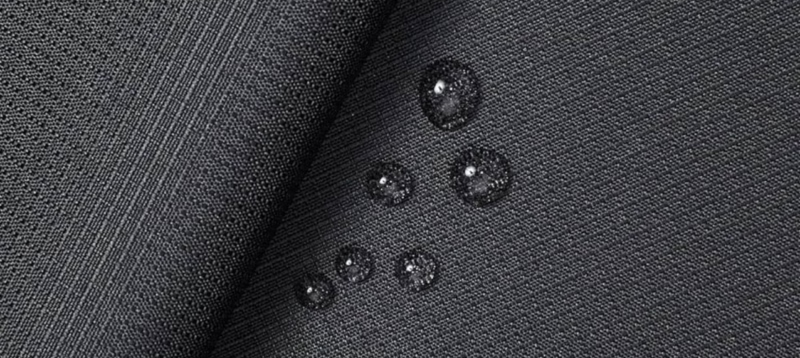
High-Density Water-Repellent Fabric: The lightest and softest option; windproof and breathable.
-
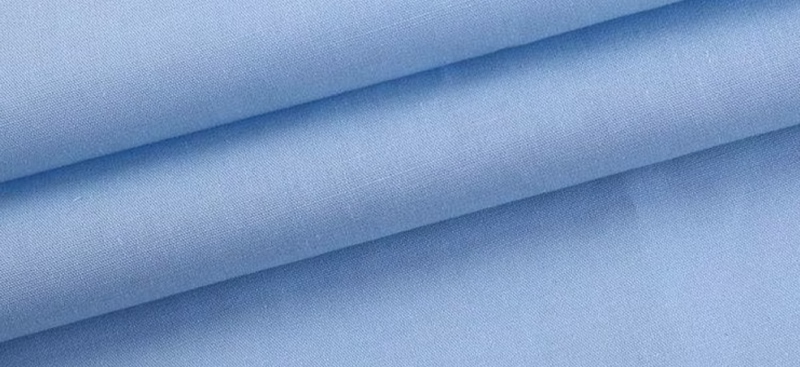
High-end TC & Rainproof Poplin: TC is durable and crisp; Poplin is comfortable but best for vests.
2. Yali-Clothing Perspective: Strategic Summary & Core Value
As a dedicated Clothing OEM Custom Solution provider, Yali-Clothing views fabric not just as raw material, but as the foundation of brand value and production feasibility.
Summary of Custom OEM/ODM Clothing Core Insights
In the OEM world, the “perfect fabric” is a myth; the “correct fabric” for the specific price point and design is the reality. Our role is to bridge the gap between a designer’s vision and the technical limitations of the fabric market.
Core Key to OEM Custom Clothing
The “secret sauce” of successful garment manufacturing is Risk Mitigation at the Sourcing Stage. Choosing a fabric that looks good on a color card but shrinks 10% in bulk production is a disaster. OEM success relies on the synchronization of Fabric Properties, Pattern Engineering, and Manufacturing Tolerance.
Our Core Competitive Capabilities in OEM Solutions:
-
Technical Sourcing Guidance: We eliminate the “market wandering” phase. Based on your target price and style (e.g., a “crisp” vs. “fluid” trench coat), we provide a curated selection of tested fabrics.
-
Anti-Pitfall Expertise (Risk Management): We identify fabric risks early—such as the pilling of Tencel, the down-leakage of low-density Taffeta, or the cutting complexity of Positioned Lace.
-
BMS (Balance of Material & Style): We don’t just take orders; we optimize. If a customer wants a formal shirt but chooses a wrinkly pure cotton, we suggest Long-Staple Cotton or Pinpoint Oxford to ensure the end consumer is satisfied.
-
Supply Chain Transparency: From 370T high-density Pongee to 100% Organic Cotton, we provide the technical data (T-counts, GSM, Shrinkage rates) required for professional custom private label clothing decision-making.