
Your activewear stinks. Not just after a brutal training session. It retains that sour, stale odor even after washing. You know the smell. It’s the unmistakable signature of cheap polyester. This isn’t a minor inconvenience; it’s a fundamental design flaw, a performance failure. And it’s killing your brand’s reputation. Your customers are done with wearing plastic shirts that reek, shed microplastics, and offer zero real, lasting performance benefit beyond a marketing claim. It’s time we talked about bamboo. Specifically, why bamboo isn’t just an ‘eco-friendly alternative,’ but the mechanically superior future of performance activewear. We’re talking real sweat-wicking. We’re talking natural, permanent odor elimination. We’re talking about a fiber engineered by nature to outperform synthetics, without the environmental cost. This isn’t marketing fluff; this is textile engineering. And at Yali Apparel, we’re building that future for activewear brands like yours.
Key Takeaways:
- Polyester activewear traps body oils and breeds odor-causing bacteria, leading to persistent gym stink.
- Bamboo fibers are naturally anti-bacterial and use physical capillary action for superior, permanent sweat-wicking.
- Yali Apparel’s 130gsm bamboo fabric offers feather-light performance with complete opacity and luxurious drape.
- Specialized, precise manufacturing processes are critical for unlocking bamboo’s full performance potential.
Why Does Your Polyester Activewear Stink? The Science of Oleophilic Fabric
Let’s be blunt: polyester is plastic. It’s a synthetic polymer, specifically polyethylene terephthalate. This material, while cheap and durable, possesses inherent hydrophobic properties – it repels water. Good for initial ‘dry-fit’ claims. But here’s the critical flaw: polyester is also highly oleophilic. This means it has a strong affinity for oils. Your body produces oils, salts, and proteins when you sweat. Polyester fibers absorb these body oils like a sponge. They bind to the fabric structure. They don’t just sit on the surface.
And then the bacteria move in. Bacteria, the real culprits behind body odor, thrive in warm, moist, oil-rich environments. Your polyester gym shirt becomes a perfect breeding ground. Washing often fails to fully dislodge these oils and bacteria from the synthetic fibers, particularly in cooler water cycles. So, the smell persists, embedded deep within the fabric, ready to reactivate with the next bead of sweat. It’s a permanent problem because it’s a material problem.
Furthermore, every wash cycle contributes to a silent environmental disaster. Those synthetic fibers, your polyester shirts, they shed. Tiny plastic fragments, known as microplastics, break off during agitation. These microscopic plastic pieces bypass wastewater treatment plants. They enter our rivers, our oceans, and ultimately, our food chain. It’s a global pollutant, directly linked to the clothes we wear. Research demonstrates the significant release of microplastic fibers from synthetic textiles during laundry. Your brand’s cheap polyester activewear isn’t just stinking up gyms; it’s polluting the planet.
Bamboo: Engineered by Nature for Peak Performance
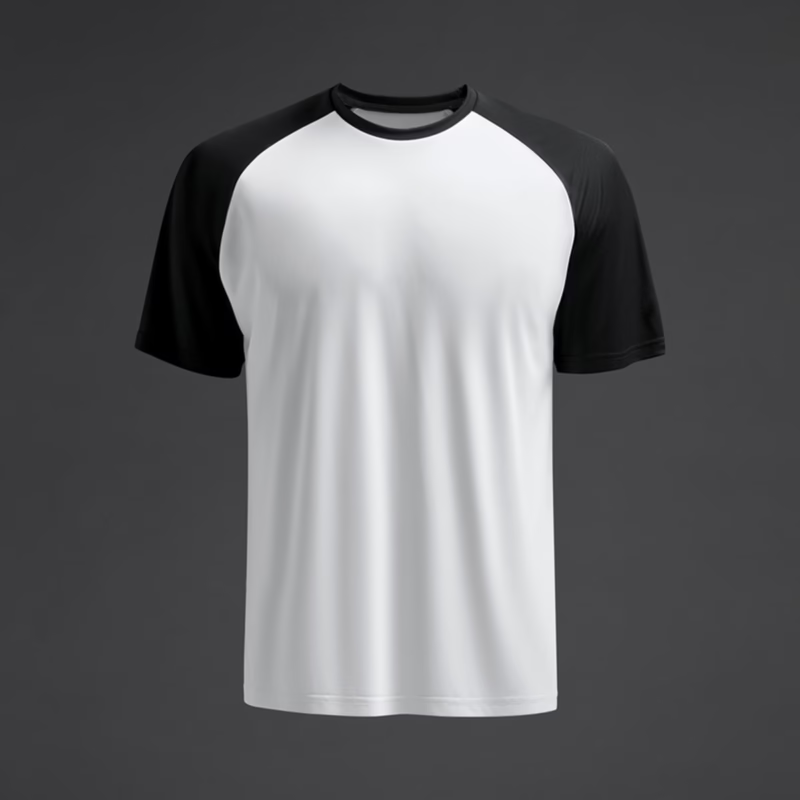
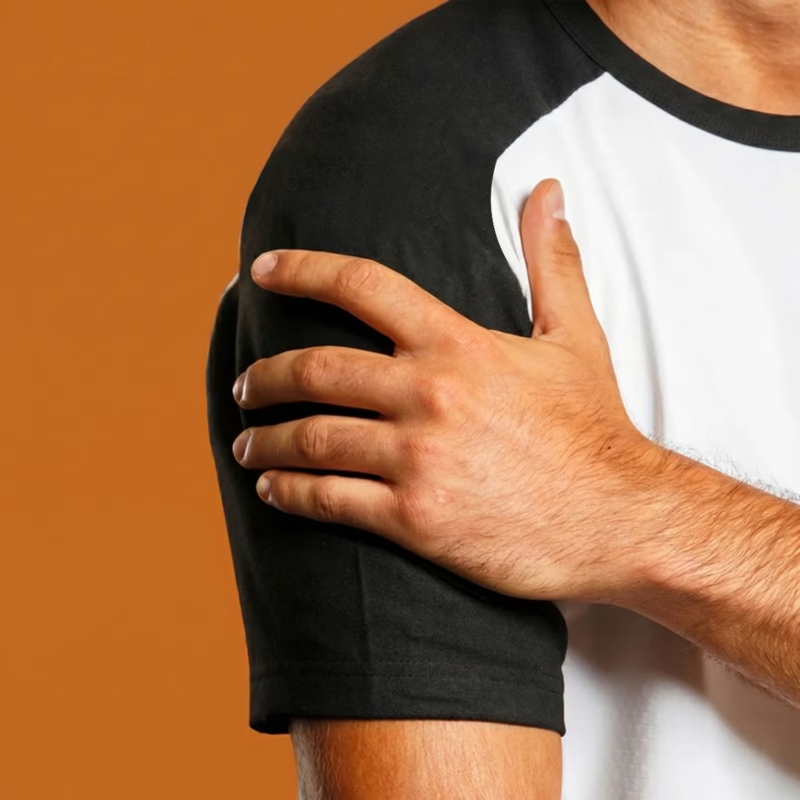
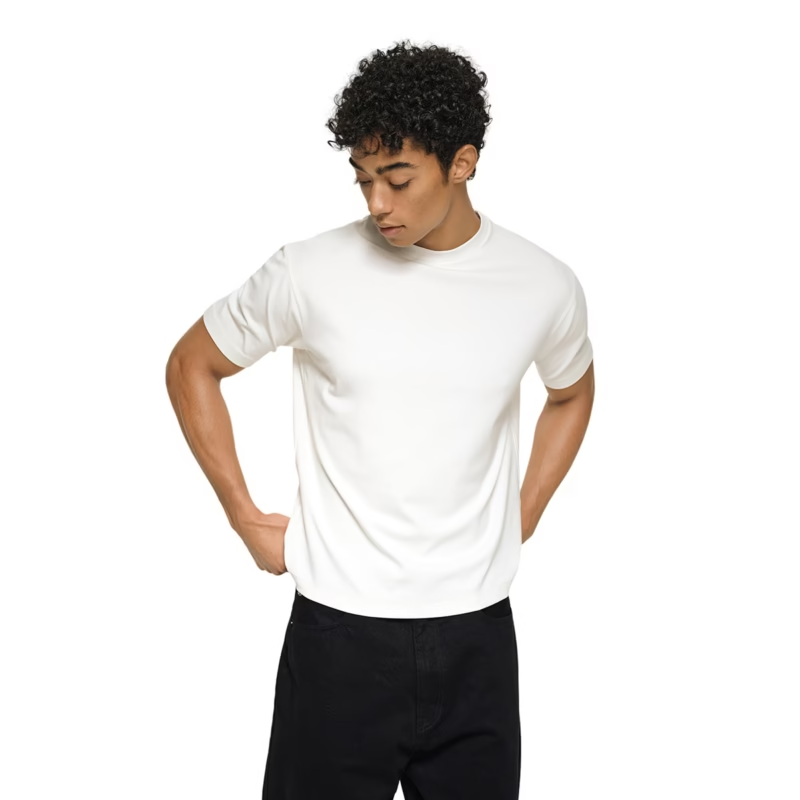
Forget the marketing hype. Let’s talk material science. Bamboo viscose, specifically the regenerated cellulose fiber we use, is fundamentally different from polyester. It’s a natural fiber, derived from bamboo pulp. The magic isn’t in a chemical coating that washes off; it’s in the fiber’s intrinsic structure.
Observe a cross-section of a bamboo fiber under a microscope. You’ll see it’s not solid. It’s filled with microscopic gaps and micro-holes. These aren’t random; they are nature’s design for efficient moisture transport. This unique structure creates intense capillary action. When you sweat, these micro-channels physically pull moisture away from your skin, through the fabric, and to the outer surface where it can evaporate quickly. This isn’t a surface-level wicking; it’s a deep, structural mechanism that never degrades, never washes out.
And the odor? Bamboo has natural anti-bacterial and anti-fungal properties. The fiber itself inhibits the growth of odor-causing microbes. This means less bacteria breeding in your shirt, less body odor, even after the most intense workouts. Your customers get a shirt that stays fresh, wash after wash. It’s a permanent solution to the gym stink, built right into the fiber.
The 130gsm Sweet Spot: Yali Apparel’s OEM Bamboo Training T-shirt
Weight matters in performance apparel. Too heavy, it restricts movement and traps heat. Too light, it can feel flimsy or, worse, become sheer. At Yali Apparel, through extensive R&D and factory testing, we’ve identified 130 grams per square meter (gsm) as the optimal weight for our OEM bamboo training t-shirts. This isn’t a random number; it’s engineered precision.
A 130gsm bamboo knit fabric is feather-light. This is crucial for high-intensity interval training (HIIT), running, and any activity where freedom of movement and minimal thermal burden are paramount. It feels like a second skin, almost imperceptible. But feather-light does not mean flimsy. We knit this fabric on high-gauge machines. The stitch density is incredibly tight. This ensures complete opacity. Your customers get a luxurious drape and feel, without any concern about the fabric being see-through, even when stretched or wet.
This weight strikes a perfect balance. It delivers the superior sweat-wicking and anti-odor properties of bamboo in a garment that moves with the body, provides exceptional comfort, and maintains its integrity. It’s a premium feel that instantly elevates your brand, setting you apart from the sea of cheap, heavy, or sheer activewear.
The Yali Apparel Difference: Mastering Bamboo Manufacturing
Manufacturing with bamboo is not like manufacturing with cotton or polyester. It demands specialized knowledge and precise execution. Many standard factories treat bamboo like any other fiber, and they fail. They lose the natural stretch, they create micro-tears, they compromise the fiber’s integrity. That’s why you need a specialist.
Bamboo fiber is incredibly soft, but it’s also delicate in its raw state and has unique elasticity. On the cutting table, it requires specific tension settings to prevent stretching and distortion. Cut it wrong, and your garments won’t hold their shape. On the sewing machines, standard needles and high tension will cause micro-tears, reducing garment lifespan and comfort. We use specialized, rounded-tip needles and finely tuned tension settings. This preserves the fabric’s natural stretch and ensures a durable, high-quality garment.
Our two decades of experience in fabric R&D, specifically with performance eco-fibers, means we understand bamboo from the molecular level to the finished stitch. We don’t guess. We engineer. We control every step, from yarn sourcing to final inspection, ensuring that the natural benefits of bamboo are not just preserved, but enhanced through our manufacturing process.
Beyond Performance: The Eco-Conscious Edge
The environmental credentials of bamboo are significant, but only if the manufacturing process is handled correctly. There’s a right way and a wrong way. At Yali Apparel, we employ a closed-loop solvent system for our bamboo viscose production. This is non-negotiable for true eco-friendliness.
Our process ensures that the water and organic chemicals used to break down the bamboo pulp are captured, recycled, and reused. This prevents toxic runoff into waterways. It drastically reduces chemical waste and water consumption. It’s a responsible, sustainable approach that aligns with the growing demand from consumers for genuinely eco-friendly products. You’re not just selling a better shirt; you’re selling a better story, backed by verifiable processes.
FAQ
Why do polyester gym shirts hold odor permanently, but bamboo does not?
Polyester is hydrophobic but highly oleophilic. It repels water but absorbs body oils like a sponge. Bacteria breed in that oil. Bamboo naturally breathes and repels these oils, keeping the shirt odor-free even after heavy sweating.
Is a 130gsm fabric too thin or sheer for gym wear?
No. While 130gsm is extremely lightweight, Yali Apparel uses a high-gauge knitting machine. The stitch density is tight enough to be completely opaque while remaining feather-light for HIIT workouts.
How does bamboo actually wick sweat compared to synthetic dry-fit?
Synthetic shirts rely on chemical coatings that wash off after 20 cycles. Bamboo relies on physics. The fiber’s cross-section has microscopic gaps that physically pull moisture away from the skin through capillary action. It never washes out.
Will bamboo training shirts shrink in the dryer?
Untreated bamboo shrinks violently. But at Yali Apparel, we pre-wash and pre-shrink our bulk fabric rolls before cutting. You can expect a negligible retail shrinkage rate of strictly under 3-4%.
Is the bamboo manufacturing process actually eco-friendly?
Yes, if done right. We utilize a closed-loop solvent system. The water and organic chemicals used to break down the bamboo pulp are captured, recycled, and reused, preventing toxic runoff.
Can independent brands order custom pantone colors for bamboo tees?
Absolutely. Bamboo fibers absorb reactive dyes beautifully and deeply. Unlike sublimated polyester, you get rich, saturated custom colors with an incredibly soft hand-feel.
Why source custom bamboo clothing from Yali Apparel instead of a standard factory?
Standard factories treat bamboo like regular cotton. It requires completely different tension settings on the sewing machines and specialized needles to prevent micro-tears in the fabric. We specialize entirely in high-performance eco-fibers.
Stop selling plastic shirts that stink. Upgrade your activewear line today. Contact Yali Apparel for wholesale bamboo activewear that truly performs, ethically produced, and engineered to perfection.