
Maximize Brand Value: 13 Embroidery Techniques for Custom Clothing
To elevate the depth and quality of your clothing designs, mastering various embroidery techniques is essential. Understanding how to flexibly apply these methods to different styles and fabrics can transform an ordinary garment into a premium piece. Here is a comprehensive guide to 13 distinct embroidery techniques used in apparel manufacturing.
1. Regular Computer Embroidery (Flat Embroidery)
Flat embroidery is the most commonly used technique in computer embroidery machines. By applying different digitizing skills, it achieves diverse effects. Flat embroidery can be further divided into jump stitch, run stitch, fill stitch (tatami), and zigzag stitch.
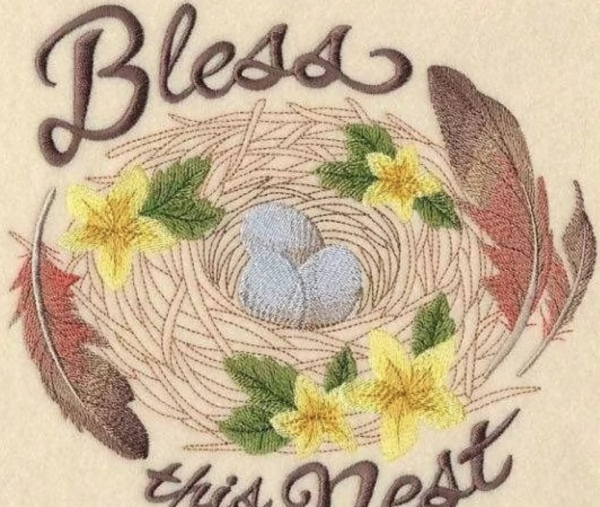
Jump Stitch: Mainly used for simple logos and fonts.
Run/Walking Stitch: Ideal for tiny text and fine lines
Tatami (Fill) Stitch: Best for larger areas and highly detailed patterns.
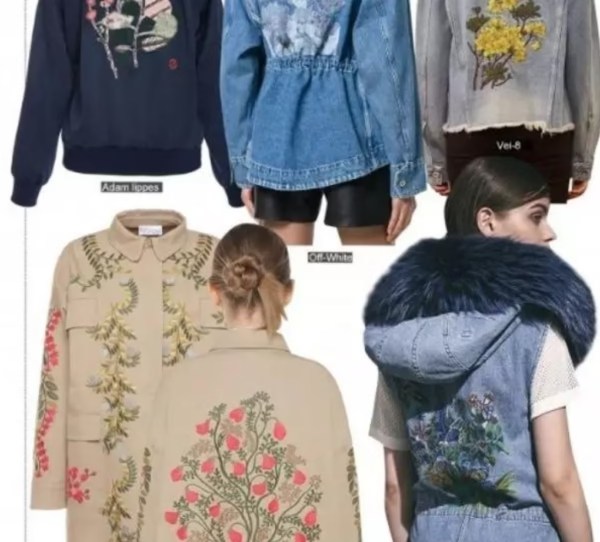
Application & Precautions: Suitable for partial or large-scale garment designs. If the pattern requires high-temperature setting, avoid fabrics with high shrinkage or extreme stretch, as the edges may fray or pucker, resulting in an uneven finish.
2. Appliqué Embroidery
Appliqué embroidery involves sewing a piece of contrasting fabric onto the base material to create a 3D or layered effect. It can be used for edge-stitched appliqué or hollowed-out appliqué designs.
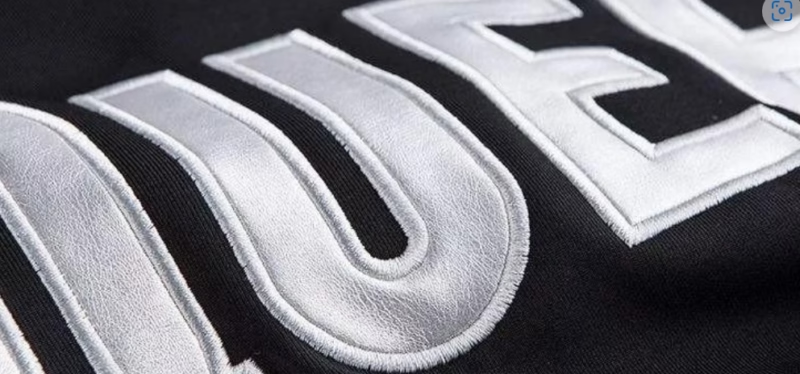
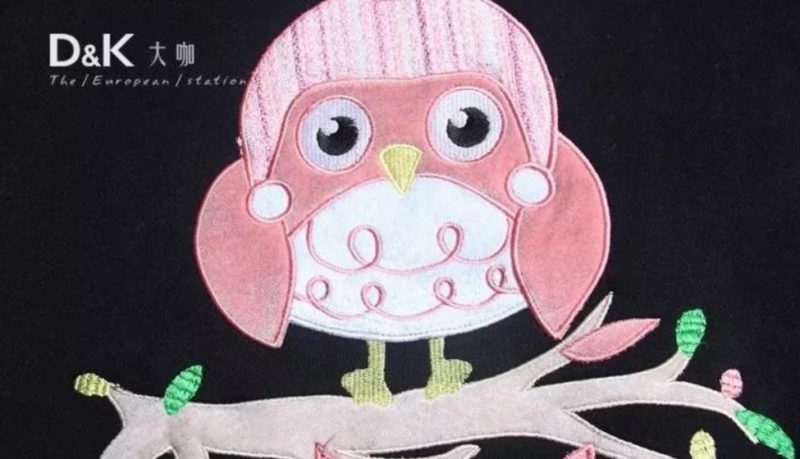
Application & Precautions: The properties of the base fabric and the appliqué fabric should not differ drastically. Since the edges of the appliqué must be trimmed, highly elastic or loosely woven fabrics may fray or pucker after embroidery.
3. 3D Puff Embroidery
Also known as raised or 3D embroidery, this technique uses a padding material (like EVA foam) between the fabric and the stitches to create a solid, three-dimensional effect. The foam thickness usually ranges from 3mm to 5mm.
Application: Perfect for adding striking, raised textures to caps, bags, shoes, and outerwear.
4. Thick Thread Embroidery
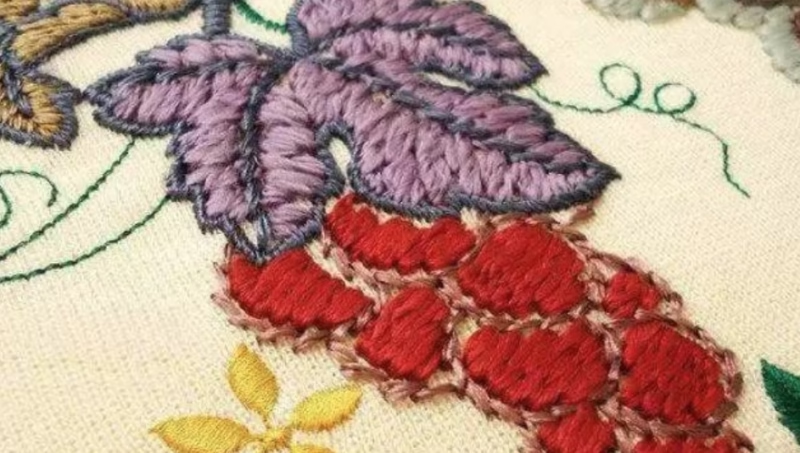
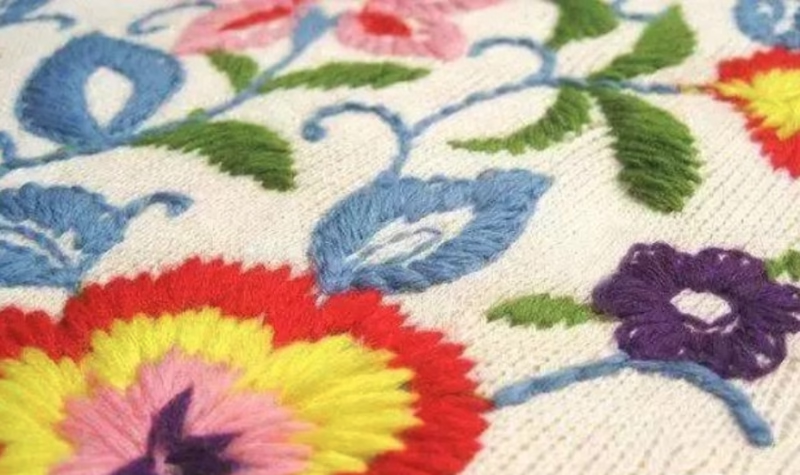
Responding to the trend of imitation hand-embroidery, this technique offers a rugged, handcrafted feel that is highly popular in casual wear.
Application: Requires special materials and uses much thicker threads (e.g., 300d/2 or 450d/2) compared to standard embroidery threads (120d/2).
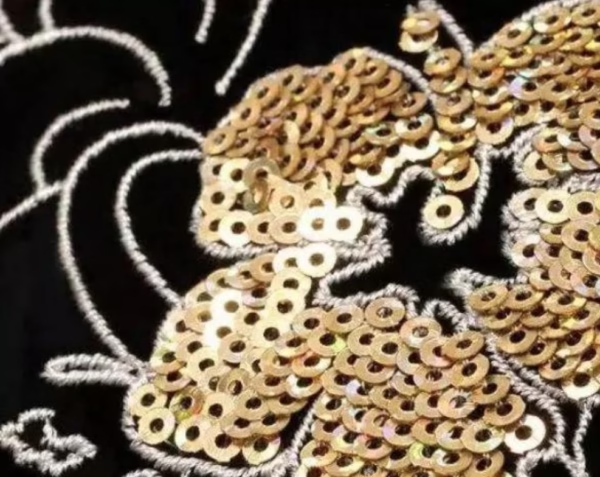
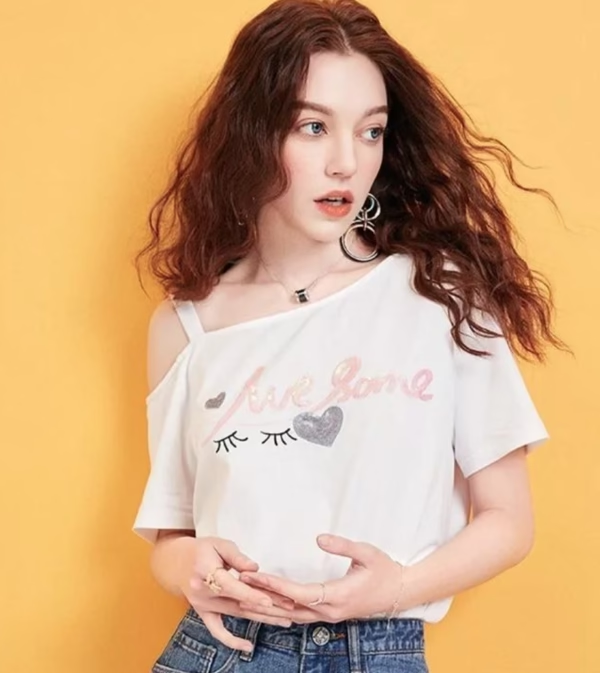
5. Sequin Embroidery
Using a specialized flat embroidery machine attachment, uniformly shaped sequins are fed continuously like a string and stitched onto the fabric.
Application & Precautions: Can be embroidered directly onto fabric rolls or specific cut panels. Sequins must have smooth edges to avoid cutting the thread. They must also be heat-resistant, eco-friendly, and colorfast. Great for bags, shoes, and glamorous apparel.
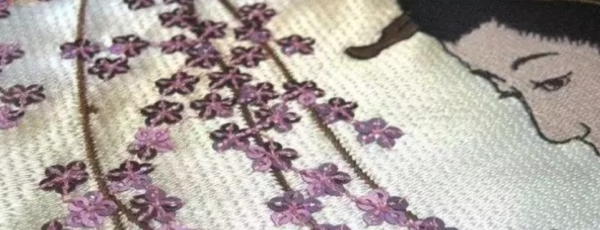
6. Hand-Guided / Cording & Ribbon Embroidery
Tape/Cording Embroidery: Uses various accessories to fix ribbons or cords to the fabric. It can accommodate ribbons ranging from 2.0mm to 9.0mm in width.
Pleated Embroidery: Utilizes tighter folding techniques to create rich, textured ruffled effects.
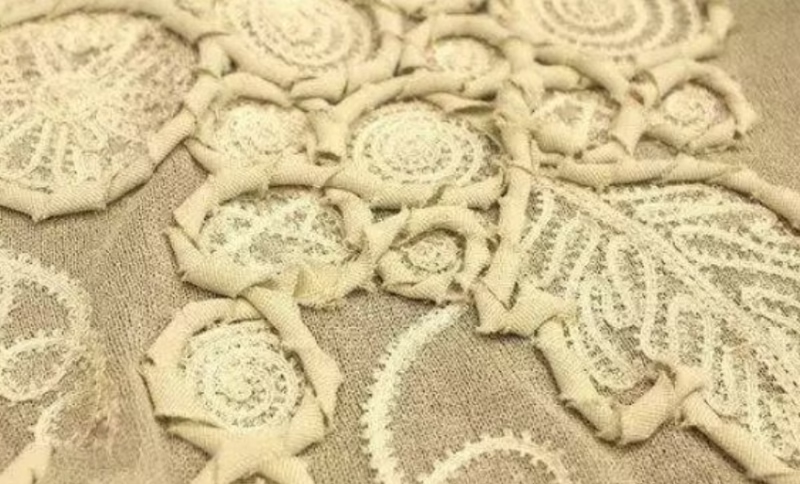
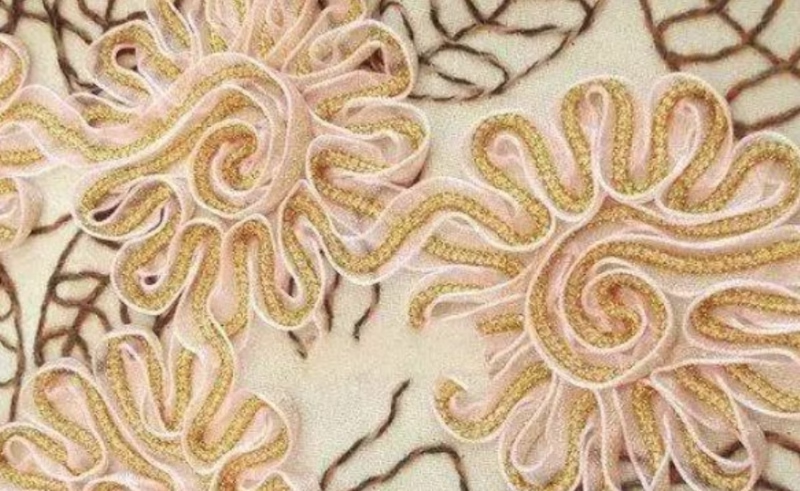
Application & Precautions: Similar to manual coiling. The fabric, yarn, or ribbon must not have raw edges. Edges should be treated beforehand (e.g., laser cutting or hemming) to prevent fraying. Avoid fabrics that are too thick or stiff.
7. Hollow 3D Embroidery
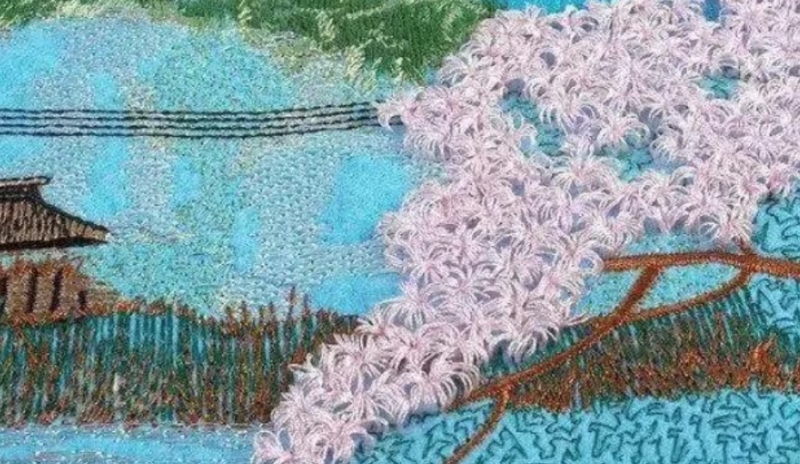
This advanced technique uses a dissolvable padding material during embroidery. Once dissolved, it leaves a soft, beautiful, three-dimensional structure.
Features: Creates a lighter, softer 3D effect than standard puff embroidery. It highlights the depth and luster of the top thread without damaging delicate or stretchy fabrics.
8. Towel Embroidery (Chenille)
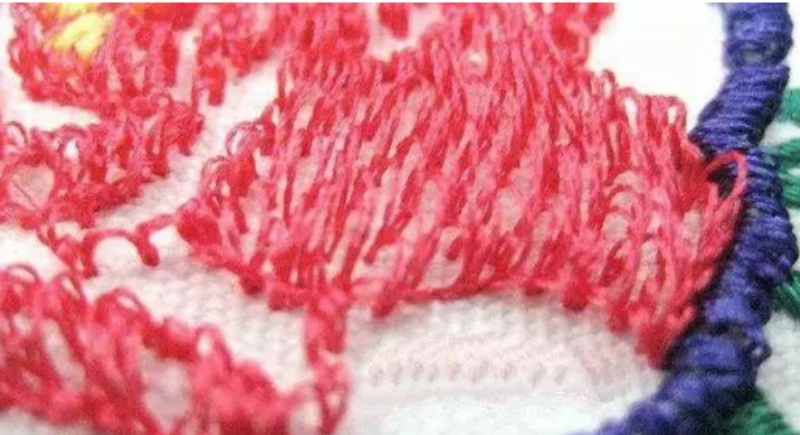
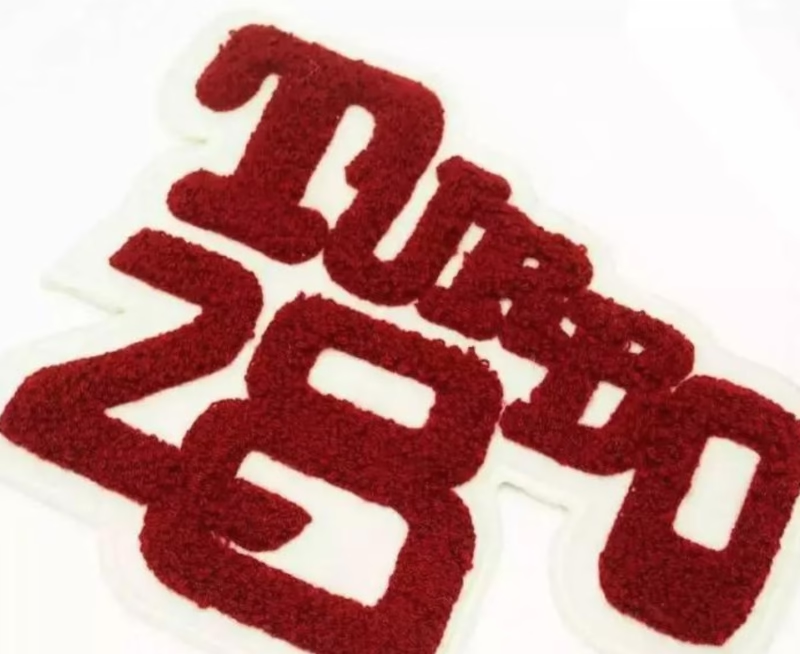
Towel embroidery creates a terry-cloth-like texture. Depending on the product requirements, it can be executed using chain stitches or looped towel stitches.
Application: Mixed embroidery machines can combine towel embroidery with flat embroidery to create highly diverse and rich designs.
9. Toothbrush Embroidery
Toothbrush embroidery is an effect achieved through post-processing after standard embroidery. The stitches stand upright, mimicking the bristles of a toothbrush.
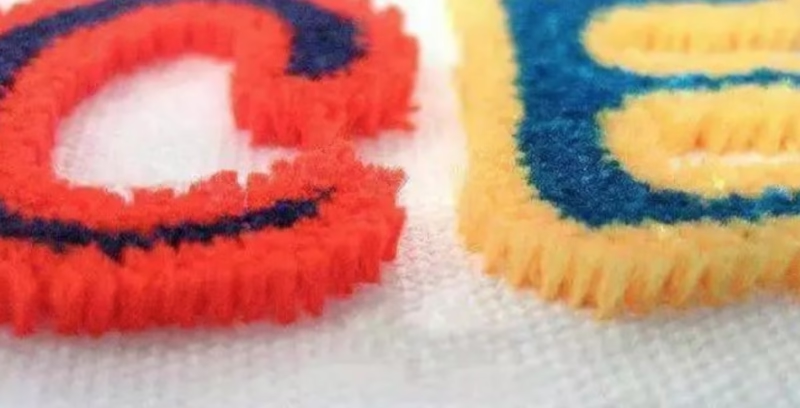
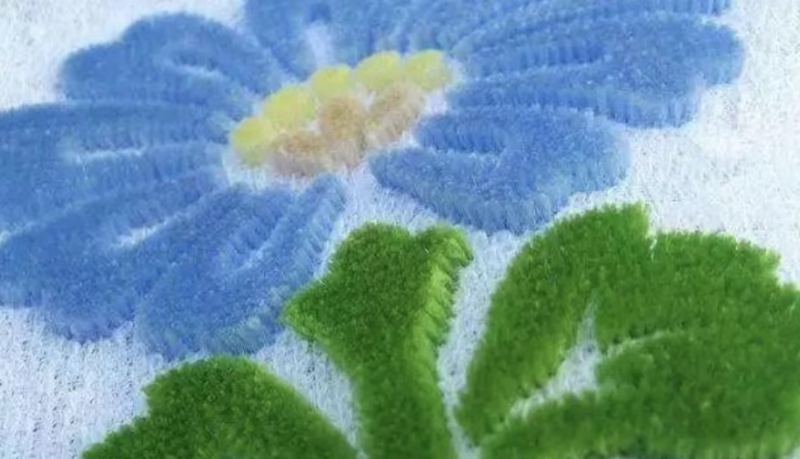
Application: Requires specific materials and specialized processing. It is often combined with flat embroidery to make patterns more dynamic.
10. Gemstone Embroidery
By combining flat metallic threads with 3D embroidery techniques, gemstone embroidery creates a faceted, star-like 3D effect that mimics real stones.
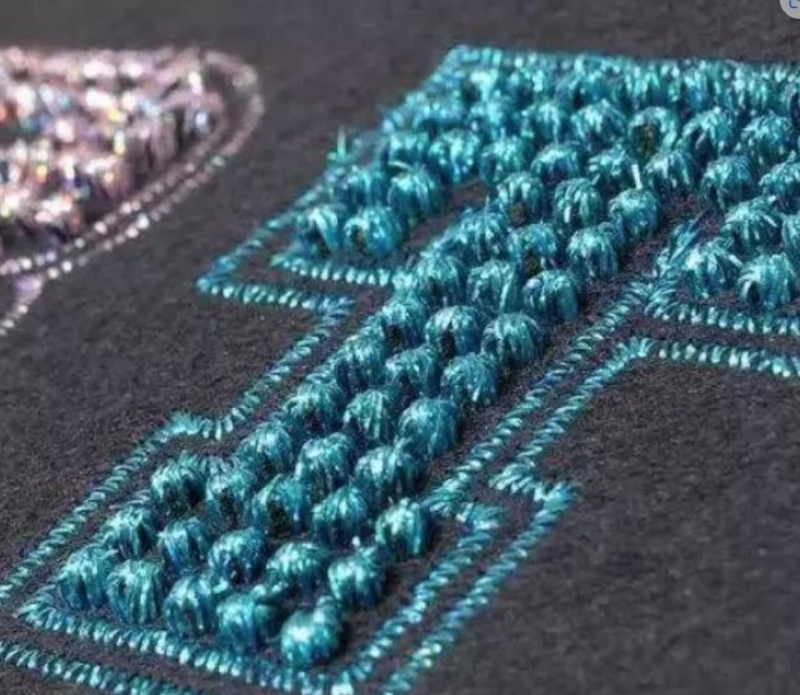
Application: An innovative alternative to rhinestones, suitable for bags, shoes, and statement clothing.
11. Cutwork Embroidery (Hollow-out Embroidery)
Cutwork involves embroidering a pattern and then cutting away specific portions of the base fabric to create decorative holes or a lace-like effect. It can be done on rolls or cut panels.
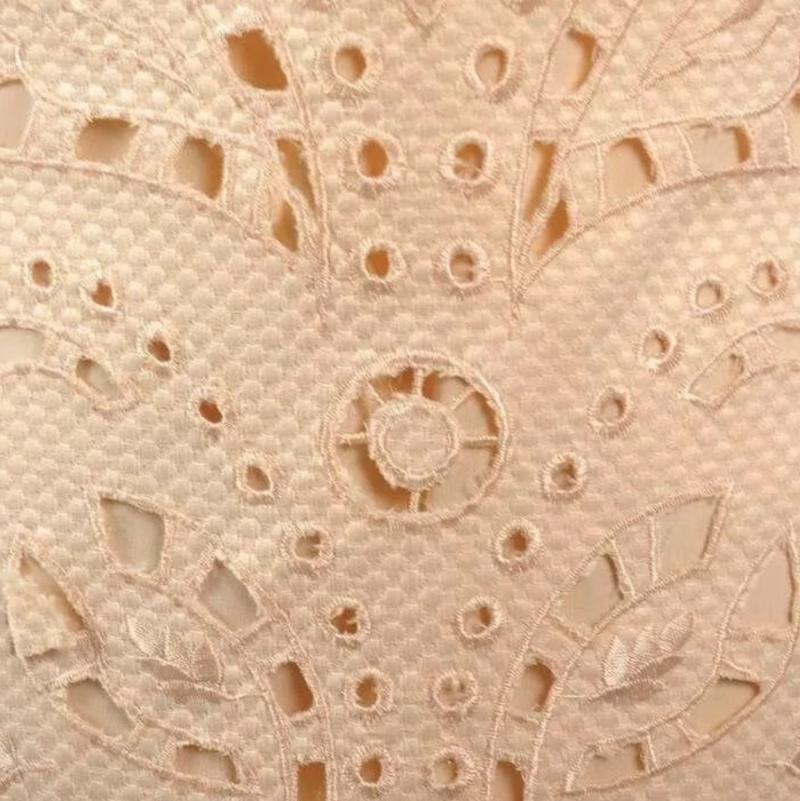
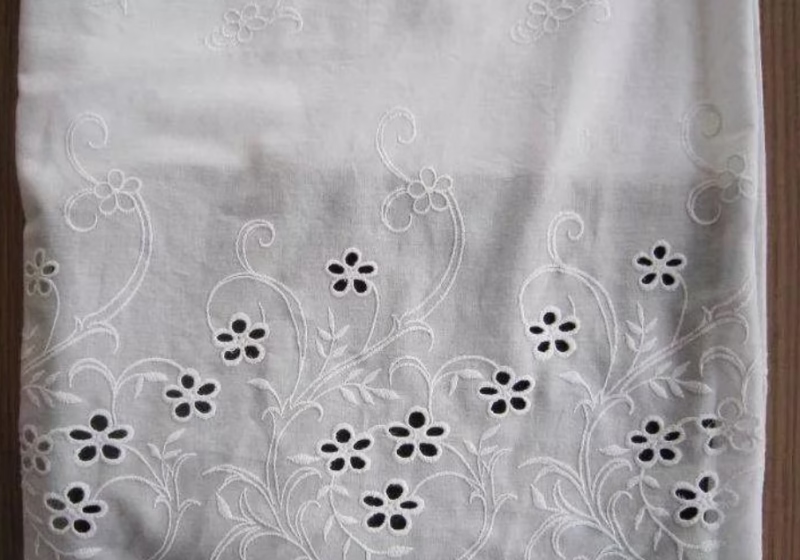
Application & Precautions: Requires standard fabrics with good density. Loose or thin fabrics (like 75D chiffon) are not suitable, as the edges will easily fray and the embroidery will detach.
12. Water-Soluble Embroidery (Lace)
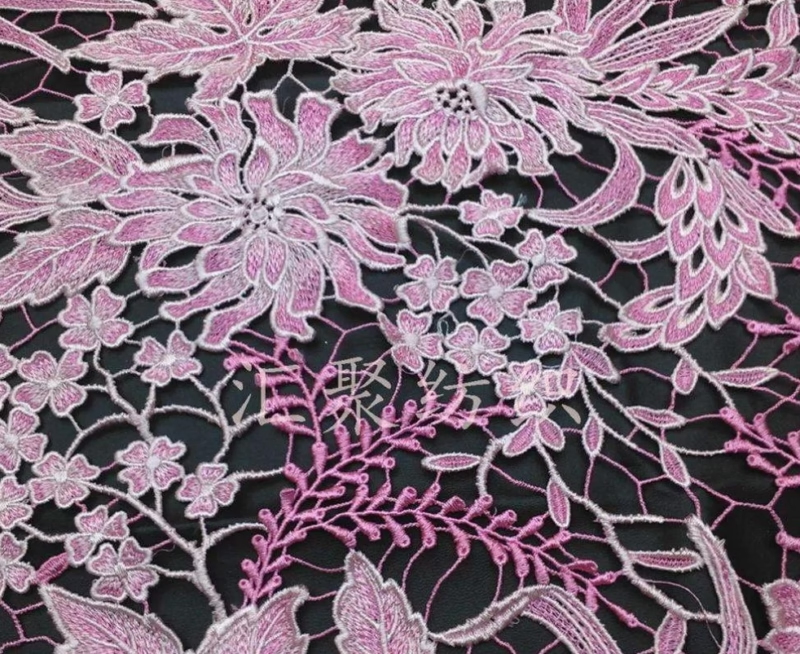
This process embroiders patterns onto a thermal-dissolvable or water-soluble stabilizer (paper) rather than standard fabric. Once the paper is dissolved, only the intricate thread lace remains.
Application & Precautions: Great for creating custom lace trims or specific panel shapes. Because thread lengths are limited, knotting is unavoidable on large rolls, so pattern placement during cutting is crucial. Connecting stitches must not be too thin, or the lace will break.
13. Roll-to-Roll Embroidery (Fabric Roll Embroidery)
Unlike standard panel embroidery, this method embroiders the design continuously across an entire roll of fabric. The fabric is then cut into garment pieces according to paper patterns.
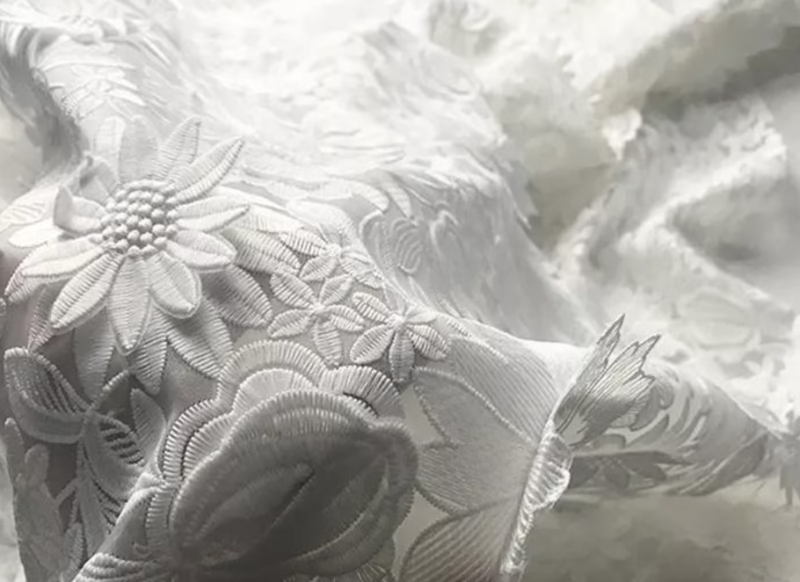
Application & Precautions: Avoid fabrics with high shrinkage or extreme stretch, as they lack stability during high-temperature finishing, causing the continuous pattern to warp or pucker.
At Yali Apparel, we understand that the difference between a good garment and a great one lies in the details. Embroidery is not just a decoration; it is a reflection of your brand’s quality and identity. Whether you need the bold impact of 3D puff embroidery for streetwear, the elegant touch of water-soluble lace for womenswear, or the rugged texture of thick thread embroidery for casual collections, our manufacturing experts are equipped to bring your vision to life. By integrating these 13 advanced embroidery techniques with our premium fabric selection and precise craftsmanship, Yali Apparel ensures your custom clothing stands out in the competitive fashion market. Partner with us today, and let’s craft designs that leave a lasting impression.
FAQ
1.What is the most common embroidery technique for custom clothing?
Regular computer embroidery (flat embroidery) is the most versatile and widely used technique. It utilizes various stitch types, like jump stitches and tatami stitches, making it perfect for everything from simple corporate logos to intricate, large-scale designs.
2.What is Appliqué Embroidery and when should I use it?
Appliqué involves sewing a separate piece of fabric onto the garment to form a design. It is highly recommended for large designs where you want to add texture or reduce the stitch count to keep the garment lightweight and comfortable.
3. Can 3D Puff Embroidery be applied to any fabric?
No, 3D puff embroidery works best on sturdy, heavyweight fabrics like cotton twill, canvas, or denim (commonly used for baseball caps and jackets). Very thin or highly elastic fabrics cannot properly support the foam padding underneath the stitches.
4. What is the difference between Towel Embroidery and Toothbrush Embroidery?
Towel embroidery (chenille) features loops of yarn that create a soft, fluffy texture similar to a bath towel. Toothbrush embroidery, on the other hand, undergoes a post-embroidery treatment that makes the threads stand straight up, feeling stiffer and resembling the bristles of a toothbrush.
5. Is Cutwork (Hollow-out) embroidery suitable for thin fabrics like chiffon?
Generally, no. Cutwork requires fabrics with high structural integrity and good thread density. Loosely woven or very thin fabrics like sheer chiffon will fray easily around the cut edges, causing the embroidery to unravel over time.
6. How is Water-Soluble Lace Embroidery created?
The design is stitched onto a special water-soluble or heat-soluble backing material. After the embroidery is complete, the fabric is washed or treated with heat, dissolving the backing entirely and leaving behind a beautiful, freestanding lace structure made purely of thread.
7. Why should I choose Yali Apparel for my brand’s custom embroidery needs?
Yali Apparel offers comprehensive, end-to-end custom clothing manufacturing. We possess the technical expertise and advanced machinery required to execute all 13 specialized embroidery techniques precisely. From fabric sourcing and digitizing to final production, we ensure your brand’s unique aesthetic is executed flawlessly and durably.