
Como garantir a qualidade na produção em massa: Um guia de controlo de qualidade em 11 pontos para Marcas de vestuário personalizado
No caso do vestuário personalizado e das marcas de designer, a transição do desenvolvimento de amostras unitárias para a produção em massa constitui um momento decisivo de grande importância. Enquanto um protótipo ou amostra depende da habilidade lenta e meticulosa de um mestre modelista e de um costureiro de amostras, a produção em massa põe à prova as capacidades de normalização, escalabilidade e controlo de qualidade (CQ) da sua cadeia de abastecimento.
Sem normas de engenharia rigorosas, a produção em massa pode rapidamente transformar-se num pesadelo de variações de tamanho, padrões incompatíveis e construção deficiente — o que conduz a danos na reputação da marca e a elevadas taxas de devolução.
Este guia completo analisa em pormenor o 11 dimensões fundamentais A sua marca deve acompanhar o processo de produção em série para garantir que as peças de vestuário fabricadas em massa mantenham o luxo e a precisão dos seus designs personalizados originais.
1. Estabilidade do tecido e controlo de qualidade do volume
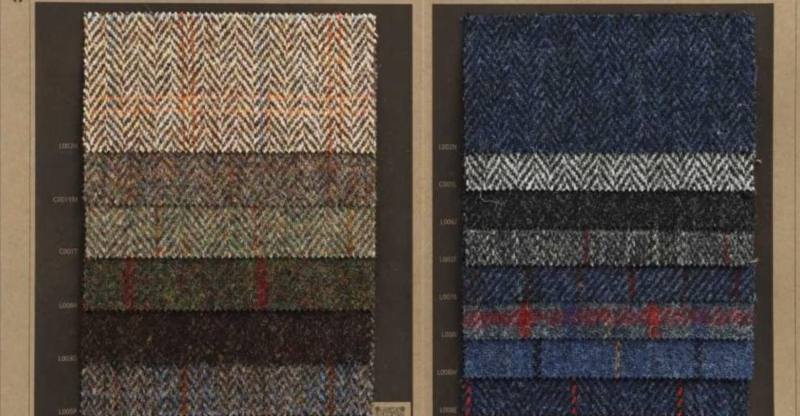
Na produção em massa, a qualidade do tecido vai muito além da composição da fibra indicada no rótulo. É necessário avaliar o seu comportamento em condições de corte em massa e costura em grande volume:
-
Organização em camadas da infraestrutura e gestão de custos: Estabelecer parâmetros claros para cada linha. As gamas personalizadas de gama alta dão prioridade a fibras naturais ou regeneradas de luxo (caxemira, seda, triacetato pesado); a gama intermédia centra-se em fibras respiráveis (tencel, cupro, algodão/linho de alta qualidade); enquanto as linhas estruturadas ou funcionais utilizam sintéticos técnicos avançados.
-
Apostar nos materiais sintéticos de alta tecnologia: Não descarte os tecidos sintéticos. Muitas misturas modernas e de alta tecnologia de poliéster e nylon apresentam tecelagens avançadas, propriedades de absorção da humidade e resistência aos vincos, o que lhes confere preços mais elevados do que as sedas básicas. Avalie os tecidos com base na densidade da tecelagem, no acabamento e no desempenho, em vez de se basear apenas na composição.
-
A tríade do tecido a granel no mercado B2B:
-
Estabilidade da cor (descoloração e lavagem): Os lotes de tingimento em grande escala costumam dar origem a “variações entre lotes de tingimento”. As fibras de celulose, como o algodão e o linho, têm de ser submetidas a testes rigorosos de resistência à transferência de cor a seco e a húmido e de solidez da cor à lavagem antes do corte.
-
Resistência à abrasão e à formação de borbotos: Realizar testes de atrito em rolos de tecido a granel para garantir que a torção do fio e o comprimento da fibra cumprem as normas comerciais de desgaste, evitando a formação prematura de borbotos.
-
Acabamento do tecido e toque: Verificar o acabamento pós-tecelagem (por exemplo, lavagens enzimáticas, amaciamento com silicone). Por exemplo, na produção de ganga ou lona pesada, a duração exata da lavagem e a proporção dos produtos químicos determinam se o lote em grande quantidade corresponde à suavidade da amostra.
-
2. Adaptação de moldes e corte estrutural de precisão
A essência de uma marca personalizada reside na sua silhueta. O maior risco na produção em série ocorre durante a Adaptação de moldes fase (aumentar e diminuir as dimensões):
-
Monitorização das linhas estruturais principais: Durante o corte em massa, as equipas de controlo de qualidade devem verificar rigorosamente o alinhamento do linha dos ombros, pinça do peito, linha da cintura e pinça das ancas. Estas quatro linhas estruturais definem a estrutura da peça e determinam o caimento em diferentes tamanhos.
-
Padronização da modificação da silhueta: Os modelos de gama alta são concebidos para disfarçar as imperfeições do corpo. No caso de calças ou ganga produzidas em série, certifique-se de que a fábrica padroniza a “costura estrutural em forma de V” no encaixe traseiro. Este corte arquitetónico proporciona um efeito de elevação tridimensional, garantindo que as calças de corte largo mantêm um ajuste contornado e ergonómico, em vez de ficarem completamente planas.
3. Integridade do entretela e engenharia do forro

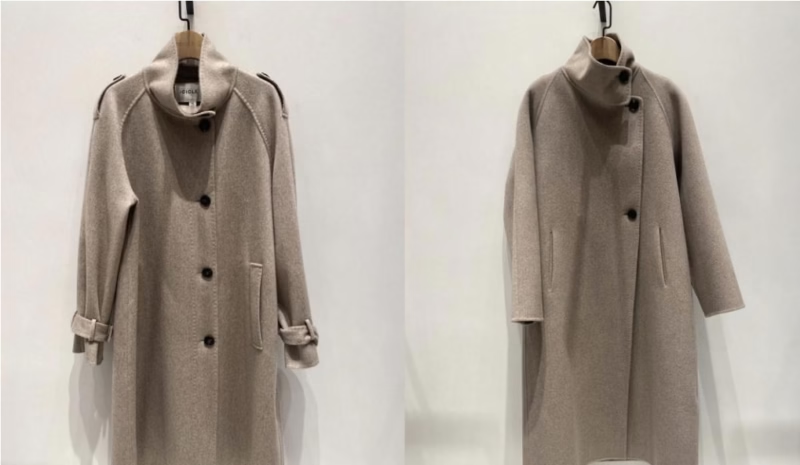
O entretela funciona como o esqueleto invisível de uma peça de vestuário. É frequentemente a primeira área em que as fábricas de baixa qualidade poupam nos custos durante a produção em massa:
-
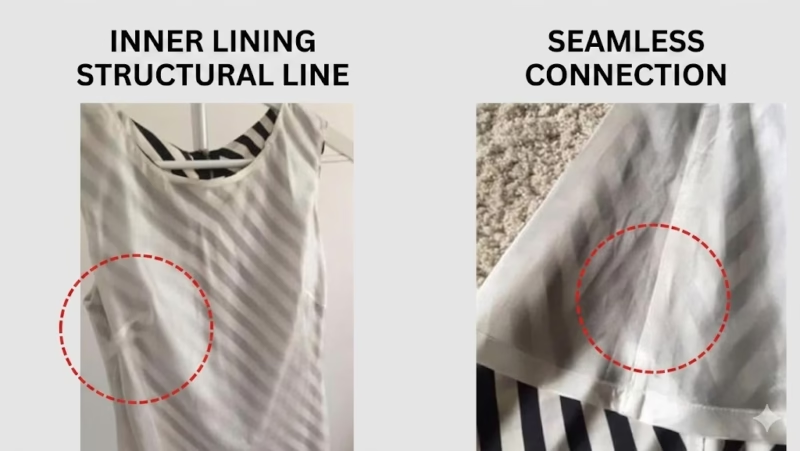
Aderência e compatibilidade: Escolha um entretela termocolante ou para coser (por exemplo, entretela de linho para fatos à medida, entretelas termocolantes leves para blusas) que corresponda na perfeição à taxa de encolhimento do tecido exterior. Um entretela de baixa qualidade provoca delaminação, formação de bolhas e franzidos após a primeira limpeza a seco ou ciclo de lavagem.
-
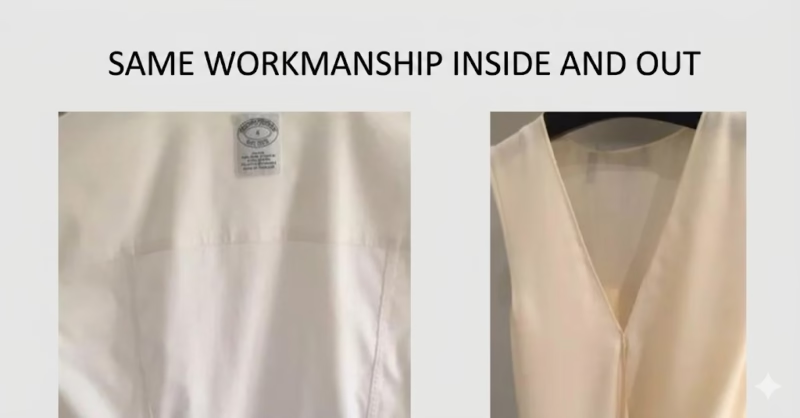
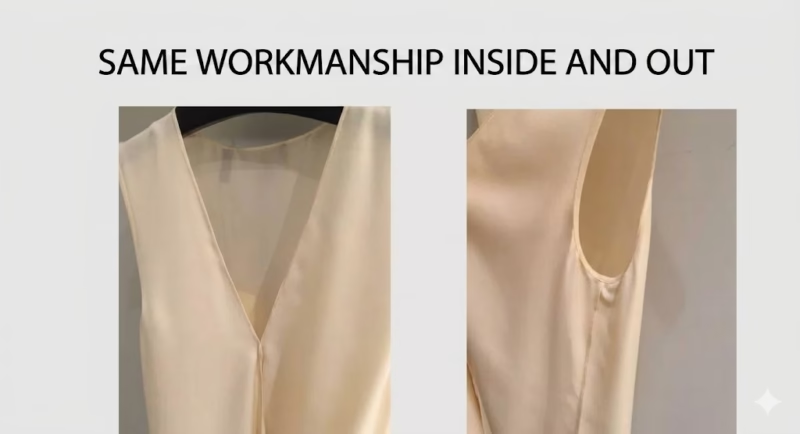
Seleção do forro em contacto com a pele: A escolha do forro revela o compromisso de uma marca com o luxo. As áreas de elevado atrito, como o decote, as cavas e as mangas, requerem forros altamente respiráveis, antiestáticos e suaves para a pele (tais como seda, cupro ou viscose de alta qualidade). Os forros volumosos devem também apresentar folga/pregas adequadas para evitar que puxem ou distorçam o tecido exterior.
4. Construção das costuras e acabamento interno das bordas
A construção interior de uma peça de vestuário determina o seu preço elevado e a sua durabilidade:
-
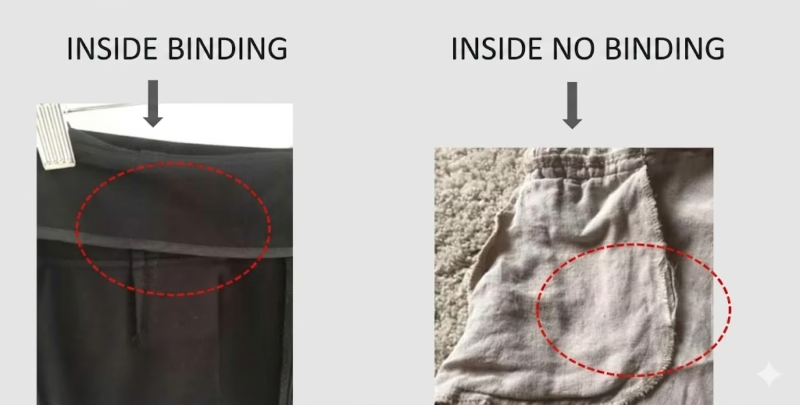
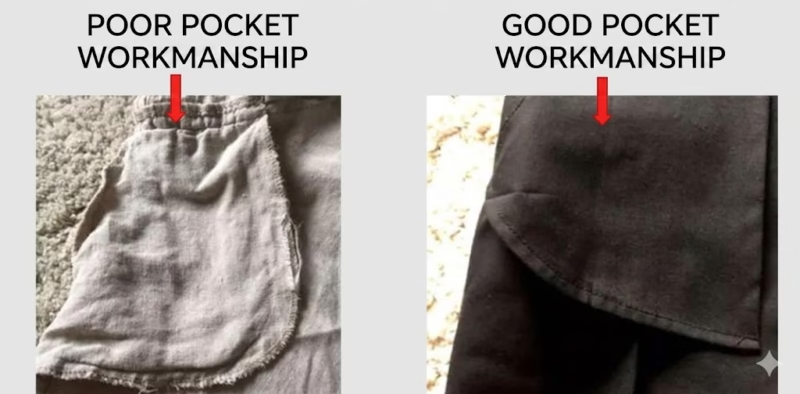
Acabamentos interiores impecáveis: Inspecione a parte de baixo da peça de vestuário. A produção em série de alta qualidade exige costuras com acabamento impecável, tais como costuras francesas, costuras com acabamento «Hong Kong» ou costuras de overlock densas e bem apertadas. Verifique o interior dos bolsos das calças; estes devem estar bem rematados ou fechados, sem bordas em bruto nem fios desfiados.
-
O efeito “Fundação”: Pense nas costuras interiores como os alicerces de uma casa. Se a tensão da costura for irregular ou se o acabamento das bordas for mal feito, a peça perderá a forma, deformar-se-á ou desfiar-se-á após um uso mínimo.
5. Fixação dos botões e reforço da haste
A implementação de conceitos e a integração de hardware refletem diretamente o investimento em mão-de-obra na sua produção em série:
-
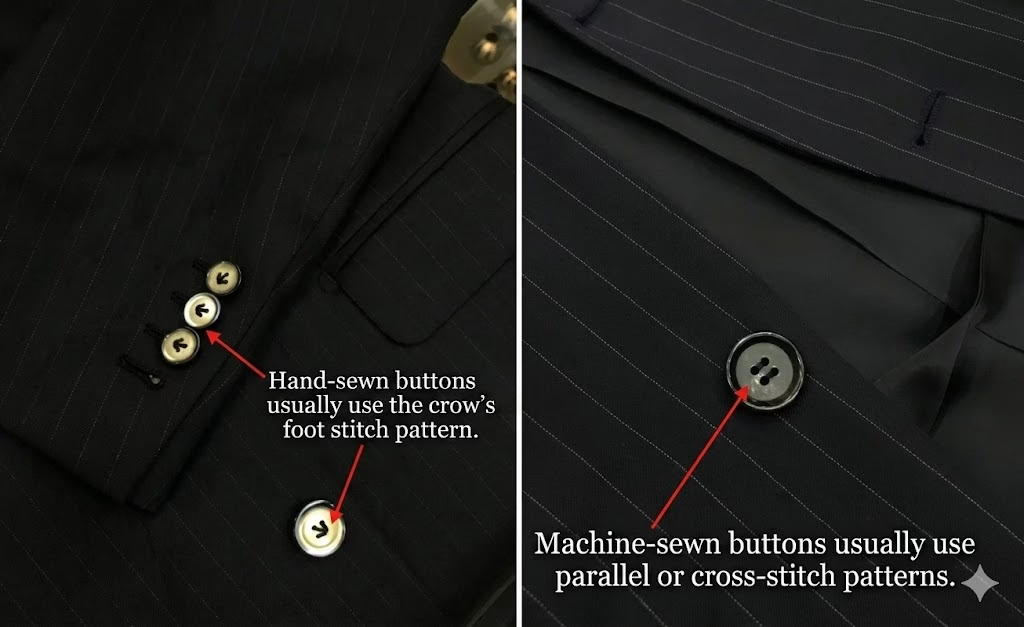
Enrolamento de botões (hastes de fio): No caso de tecidos pesados (lãs, algodões pesados, blazers), os botões nunca devem ser cosidos de forma a ficarem completamente colados ao tecido. As normas de controlo de qualidade de excelência exigem que haste roscada—enrolando o fio por baixo do botão para o elevar. Isto proporciona a folga necessária para abotoar sem esforço e evita que o tecido se estique ou se deforme quando fechado.
-
Densidade das casas de botão: Verifique a densidade dos pontos das casas de botão. Uma produção de baixa qualidade resulta em casas de botão esparsas e irregulares, que se desfiam facilmente. Exija pontos de liga apertados e bem definidos, com cortes internos bem definidos.
6. Construção dos bolsos e integridade estrutural
Os bolsos têm de conciliar a precisão estética com a durabilidade de nível industrial:
-
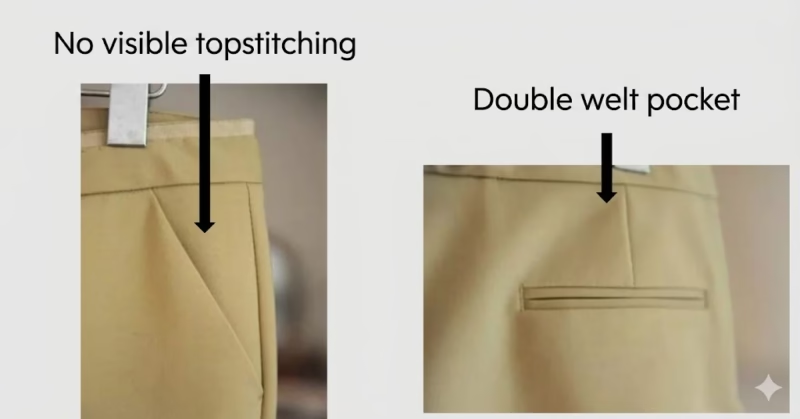
Normalização avançada da confeção: Para roupa de cerimónia ou agasalhos de luxo, opte por estilos de bolsos sofisticados, como o Bolso com rebordo duplo (de dupla aba) de 1/8″. Isto exige uma maior precisão da máquina e operadores qualificados, em comparação com os bolsos básicos de debrum simples ou de remendo. Certifique-se de que as linhas do debrum ficam perfeitamente horizontais e sem pespontos externos nos locais pretendidos.
-
Reforço dos bolsos (especialmente nas calças de homem): Uma vez que os bolsos contêm objetos pesados (telemóveis, chaves), o material de que são feitos deve ser resistente. Os bolsos de poliéster baratos e finos rasgam-se rapidamente. Certifique-se de que os cantos dos bolsos estão reforçados com pontos de reforço para distribuir a tensão.
7. Integração do fecho de correr e prevenção de franzidos
Uma má colocação do fecho de correr pode estragar o caimento de um vestido ou casaco que, de resto, seria perfeito:
-
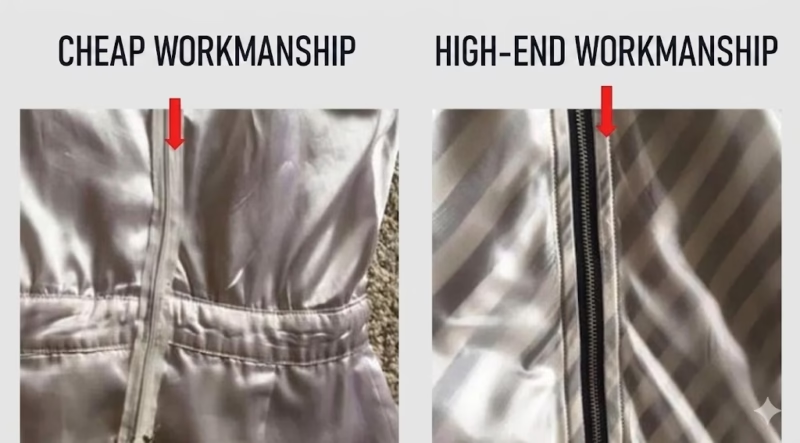
Como evitar que o tecido fique ondulado: Ao coser fechos invisíveis em tecidos delicados ou elásticos (como seda ou malhas), um controlo inadequado da tensão provoca uma costura “ondulada” ou franzida, pouco estética, ao longo da linha do fecho. As fábricas devem utilizar fita de reforço termofusível ao longo da margem de costura antes da aplicação do fecho, para estabilizar o tecido.
-
Compatibilidade do hardware e peso: Assegure-se de que a produção em série utilize ferragens de alta qualidade, de deslizamento suave e com cores a condizer (por exemplo, YKK). O peso do fecho deve estar em harmonia com a queda do tecido; um fecho metálico excessivamente pesado num vestido de seda leve irá puxar o tecido para baixo, prejudicando a silhueta pretendida.
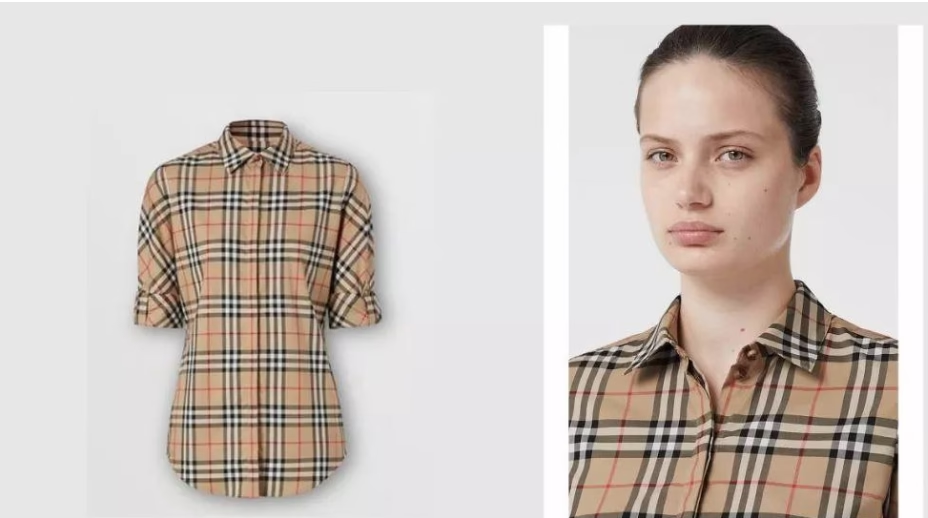
8. Alinhamento de padrões e combinação de xadrez
Os estampados, as riscas e os xadrezes constituem o teste definitivo à precisão de corte de uma fábrica e representam um fator de custo significativo:
-
Definição das tolerâncias de alinhamento: No seu Tech Pack, defina tolerâncias de alinhamento rigorosas para a correspondência dos moldes nas costuras críticas: carcela central da frente, gola com o corpo, ombro com a manga e costuras laterais.
-
Cálculo do desperdício e do rendimento: A correspondência perfeita dos padrões exige um traçado e um corte precisos, o que aumenta exponencialmente o consumo de tecido (desperdício de marcação). As marcas de vestuário personalizado devem ter em conta este requisito adicional de rendimento do tecido nos seus orçamentos de custos de produção em série. Grelhas desalinhadas ao nível do ombro ou da costura central fazem com que uma peça de vestuário de luxo pareça imediatamente de má qualidade.
9. Densidade de pontos (SPI) e normas de corte limpo
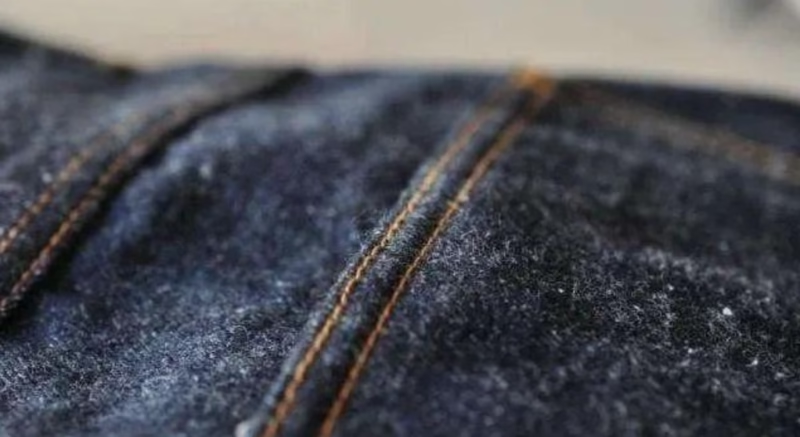
As métricas de costura são o indicador mais quantificável da qualidade do trabalho artesanal de uma fábrica:
-
Normalização do SPI (pontos por polegada): No caso de peças de vestuário tecidas de gama alta, aplique uma norma rigorosa de 11 a 12 SPI (ou 13–14 malhas por 3 centímetros). Costuras mais esparsas poupam linha e tempo, mas resultam em costuras frágeis e com um aspeto de má qualidade.
-
Tipologias de pontos específicas para cada tecido: Os tecidos elásticos (roupa desportiva, fatos de banho) requerem pontos de costura elásticos especializados de alta frequência (como o ponto flatlock ou o ponto em ziguezague) para evitar que as costuras se rasguem sob tensão.
-
Corte da rosca (o mínimo indispensável): Um produto de luxo nunca deve ser entregue com fios soltos. Implemente um mecanismo obrigatório de controlo de qualidade no final da linha de produção, no qual operadores especializados cortem todos os fios residuais, tanto no interior como no exterior.
10. Garantia de qualidade de artigos de costura, ferragens e acessórios
Os acessórios dão os toques finais que reforçam o posicionamento de luxo da sua marca:
-
Acabamento do hardware e resistência a riscos: Certifique-se de que os enfeites metálicos, rebites, strass ou ilhós apresentem um revestimento uniforme e excelente resistência a riscos. Os strass de qualidade inferior perdem o brilho ou ficam com riscos profundos devido ao atrito, e os metais comuns de baixa qualidade ficam manchados ou enferrujam durante a lavagem.
-
Embalagem de peças sobressalentes: As marcas personalizadas de gama alta devem incluir sempre um elegante envelope com etiqueta pendurada, contendo botões, molas de pressão ou linhas especiais de reserva a condizer. Isto proporciona uma experiência de serviço pós-venda de excelência aos seus clientes.
11. Concepção para Fabrico (DFM) e Mistura de Materiais
Antes de enviar um projeto para a linha de produção em série, realize uma análise rigorosa do projeto técnico e da fabricabilidade (DFM):
-
Gestão de combinações de estruturas heterogéneas: A combinação de materiais com propriedades físicas drasticamente diferentes — como um tweed de lã pesado combinado com uma delicada charmeuse de seda — requer um cuidado extremo. Uma vez que as suas taxas de encolhimento e tolerâncias à temperatura de engomagem variam completamente, é necessário desenvolver protocolos de pré-encolhimento independentes e técnicas de costura especializadas para a linha de produção, a fim de evitar que a peça se deforme após a passagem a ferro.

Inspeção pré-embarque: a lista de verificação de 17 pontos para o controlo de qualidade na produção em série
Antes de autorizar as remessas da fábrica ou aprovar um lote de produção para distribuição, peça à sua equipa de CQ/GA que verifique as peças de vestuário de acordo com esta lista de verificação técnica de 17 pontos:
-
Linearidade da silhueta: Todas as linhas da peça de vestuário devem apresentar-se suaves, contínuas e naturais, sem esticões localizadas, ondulações nem assimetrias indesejadas.
-
Simetria do colarinho: Quando dobrada a plano, as pontas da gola, as lapelas e as curvas devem ser idênticas em forma, ângulo e tamanho.
-
Equilíbrio e folga da manga: Quando pendurada num cabide normal, ambas as mangas devem cair para a frente de forma uniforme, sem costuras torcidas nem distribuição irregular da folga.
-
Consistência do ponto: Todas as costuras estruturais devem apresentar pontos retos e uniformes, sem pontos em falta, fios partidos ou linhas sobrepostas que tenham sido recosturadas.
-
Paralelismo da bainha: Todas as bainhas, a parte inferior dos vestidos e os punhos das mangas devem estar perfeitamente nivelados e paralelos ao chão, com as carelas centrais a ficarem completamente direitas, sem se alargarem nem se cruzarem.
-
Uniformidade das pregas e dobras: Todas as pregas estruturais, franzidos e pinças devem ter profundidade, comprimento e distribuição uniformes.
-
Alinhamento do bolso: Os bolsos esquerdo e direito têm de ser perfeitamente simétricos em termos de tamanho, ângulo, forma e altura de colocação.
-
Continuação do padrão: Os xadrezes, as riscas e os motivos de grandes dimensões devem alinhar-se perfeitamente entre painéis adjacentes, dentro da tolerância acordada (por exemplo, costuras laterais, carcela frontal).
-
Harmonia das cores do forro: Os tecidos do forro e do interior dos bolsos devem combinar na perfeição com a cor do tecido exterior e não devem manchar nem deixar marcas nos tecidos exteriores mais claros.
-
Tensão entre a estrutura exterior e o revestimento: O forro deve ficar completamente liso contra o tecido exterior, sem qualquer protuberância, esticamento, franzido ou aperto.
-
Reforço dos pontos de tensão: Todas as principais zonas sujeitas a esforço (costuras na virilha, axilas, cantos dos bolsos e extremidades dos fechos) devem ser reforçadas com remates ou pontos de costura apertados.
-
Contenção do revestimento: Em condições normais de movimento ou quando o artigo estiver pendurado, o tecido do forro deve permanecer totalmente oculto e nunca deslizar nem sobressair para além das bainhas do tecido exterior.
-
Auditoria à densidade de pontos: Confirme se o SPI cumpre exatamente as especificações descritas no Tech Pack (por exemplo, 11–12 SPI para tecidos de alta qualidade).
-
Alinhamento da linha de grão: Certifique-se de que todas as peças do molde são cortadas rigorosamente ao longo da linha de grão correta, para evitar que as pernas fiquem torcidas ou os corpetes fiquem deformados após a lavagem.
-
Qualidade da prensagem e do acabamento: As peças de vestuário devem ser cuidadosamente passadas a ferro, sem deixar marcas de ferro, queimaduras, manchas de água ou vincos acentuados nas áreas destinadas a serem enroladas (como as lapelas).
-
Controlo do encolhimento: Verifique se os tecidos a granel foram submetidos a um processo de pré-encolhimento (sanforização ou pré-lavagem), caso tal esteja indicado nas especificações.
-
Contorno induzido pelo fecho: No caso de modelos com fechos colocados ao longo das costuras laterais (por exemplo, vestidos justos), certifique-se de que a colocação do fecho não distorceu nem alterou a curvatura pretendida da linha da cintura.
🏷️ Perspetiva da Yali-clothing: Estratégia da cadeia de abastecimento para o setor B2B Marcas de vestuário personalizado
Na qualidade de parceiro de longa data especializado em fabrico de vestuário de luxo e uma gestão ágil e flexível da cadeia de abastecimento, Roupa Yali partilha esta perspetiva original e de grande valor para marcas personalizadas e de designer em crescimento:
“O trabalho à medida tem a ver com a gestão da ‘singularidade’; a produção em série tem a ver com a garantia da ‘previsibilidade’.”
O erro mais comum das marcas de vestuário personalizado que migram para a produção em massa é tentar impor a lógica artesanal e não quantificada de uma sala de amostras a um espaço de produção estruturado. Na produção B2B moderna, a qualidade superior não é algo que se “inspeciona” no final da linha de produção; é algo que se integrar no produto antes mesmo de a tesoura tocar no tecido.
Para expandir a sua marca com sucesso sem perder a sua identidade própria, a Yali-clothing recomenda uma estratégia de cadeia de abastecimento com três vertentes:
Desconstruir a arte em métricas quantitativas: Descrições sensoriais como “A cortina tem de transmitir uma sensação de qualidade superior” ou “a cintura deve dar uma sensação de firmeza” não podem orientar uma linha de costura industrial. As marcas têm de traduzir estes elementos em parâmetros objetivos. Definir o SPI preciso, especificar o peso exato do entretela fusível em gramas por metro quadrado (GSM) e estabelecer escalas quantificáveis de tolerância de cor (Delta E).
Implementar auditorias de DFM (Design for Manufacturing) na fase de esboço: Não espere até que a amostra esteja finalizada para consultar o seu parceiro de fabrico. Ao conceber detalhes complexos — como a combinação de lã com elevado encolhimento com seda sem encolhimento —, permita que uma equipa técnica de produção como a Yali-clothing realize uma auditoria de DFM. Podemos calcular o encolhimento diferencial exato e as taxas de avanço diferenciais necessárias para as máquinas de produção em série, garantindo que a sua visão vanguardista seja, de facto, escalável.
Transição para uma cadeia de abastecimento ágil, flexível e em várias fases: As marcas personalizadas de gama alta enfrentam dificuldades com as quantidades mínimas de encomenda (MOQ) tradicionais, que exigem grandes volumes. O futuro pertence à produção flexível. Baseie a sua estratégia de produção numa “Lote inicial reduzido, reabastecimento ágil” estrutura. Ao padronizar as suas 11 dimensões de controlo de qualidade em pacotes técnicos modulares, pode realizar pequenos testes iniciais sem falhas e expandir rapidamente os designs de sucesso. Isto mantém o seu inventário reduzido, diminui o risco de capital e garante que cada peça entregue ao seu cliente ostente a marca de qualidade inquestionável de uma verdadeira marca de luxo personalizada.
Ao integrar estas 11 dimensões de fabrico e a nossa lista de verificação de controlo de qualidade de 17 pontos no sistema formal da sua marca Pacotes técnicos (Tech Packs), faz a ponte entre o design criativo e a execução industrial — garantindo um padrão de qualidade inabalável para a sua marca em crescimento.