
The fashion industry faces an undeniable reckoning. Conventional cotton, long the bedrock of apparel, presents significant environmental challenges. Its cultivation demands vast quantities of water and often relies on intensive pesticide use, impacting ecosystems and resource availability. For brands committed to genuine sustainability and scalability in 2026, a strategic shift to advanced alternative fibers is not optional; it is imperative for long-term viability and consumer trust. This article examines the technical merits of bamboo and hemp, detailing their properties and integration into modern garment manufacturing.
What are the environmental drawbacks of conventional cotton?
Cotton farming is notoriously water-intensive. Estimates suggest that producing a single kilogram of cotton can require between 10,000 to 20,000 liters of water, depending on the irrigation methods and regional climate. This strain on freshwater resources is unsustainable, particularly in water-scarce regions where much of the world’s cotton is grown. Furthermore, the widespread application of synthetic pesticides and fertilizers in conventional cotton farming contaminates soil and water, posing risks to biodiversity and human health. The energy required for processing and transportation further compounds its environmental footprint.
Key Takeaways
- Conventional cotton’s high water and pesticide demands challenge sustainable scaling.
- Bamboo offers superior thermo-regulation and natural antimicrobial properties.
- Hemp provides exceptional durability and minimal resource requirements for cultivation.
- Integrating these fibers requires specialized manufacturing expertise.
How does bamboo fiber enhance garment performance?
When engineered into textile applications, bamboo, particularly in blends with cotton for improved hand-feel and structure, offers distinct performance advantages. The inherent cellular structure of bamboo fibers creates microscopic voids. These micro-gaps facilitate superior air circulation, contributing to excellent thermo-regulation. This means garments can help keep the wearer cooler in warm conditions and warmer in cooler temperatures. The natural composition of bamboo also exhibits hypoallergenic and antibacterial properties, reducing odor retention and promoting skin comfort.
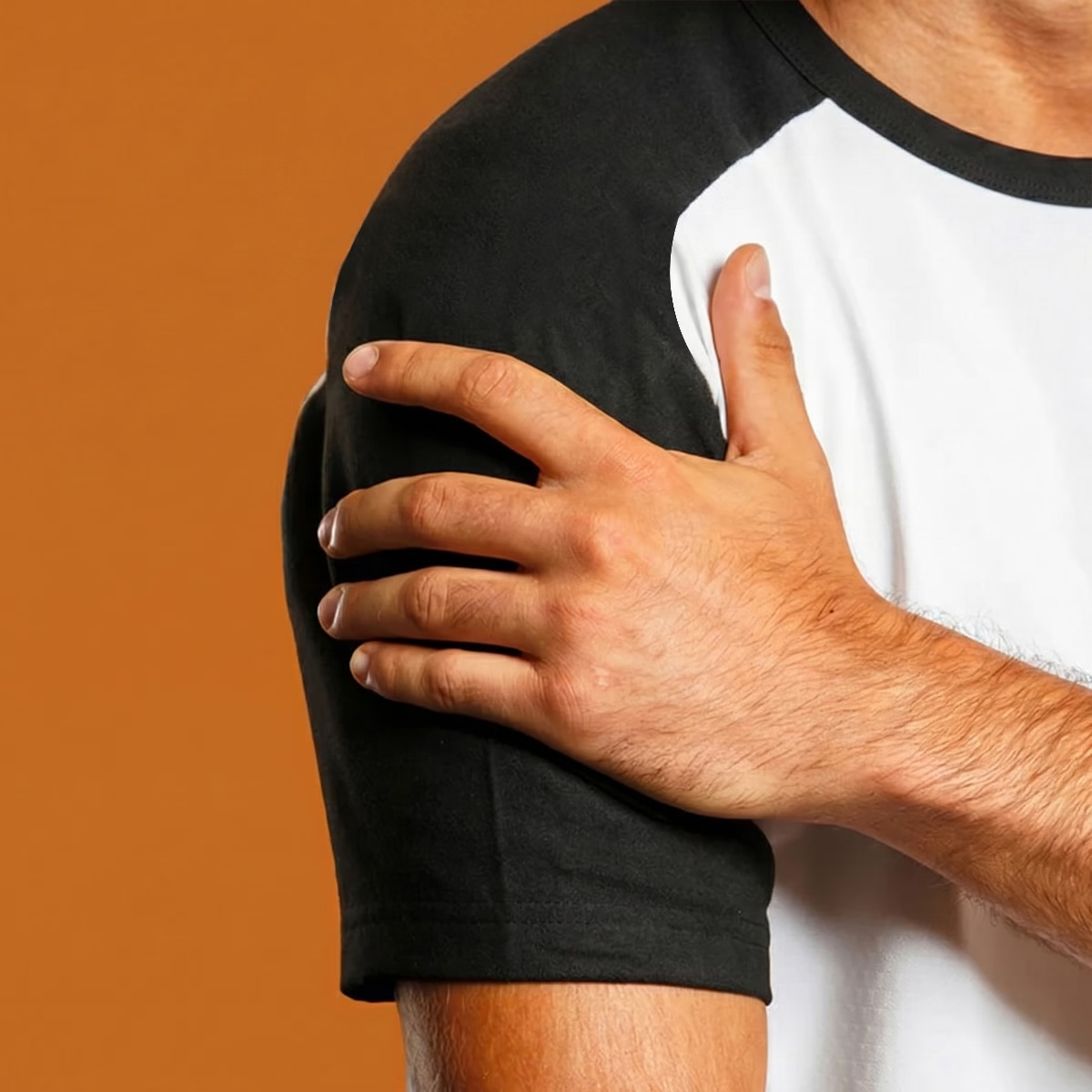
For brands seeking to leverage these benefits, partnering with specialized custom print bamboo t-shirt clothing manufacturers is essential. These facilities possess the technical knowledge to process bamboo fibers effectively, ensuring the integrity of the fabric and the quality of the final product, including precise printing applications that adhere well to the unique fiber surface.

Why is hemp considered an industrial powerhouse for textiles?
Hemp (Cannabis sativa) is a remarkably resilient industrial crop. Its cultivation requires significantly less water than cotton, often thriving with only rainfall. Moreover, hemp plants naturally suppress weeds, reducing the need for herbicides, and their deep root systems can improve soil structure and even remediate contaminated land. From an engineering perspective, hemp fibers possess exceptional tensile strength, exceeding that of many other natural fibers, including cotton. This inherent durability translates into garments that are resistant to wear and tear, offering longevity.
The potential for sustainable hemp cotton t-shirt wholesale eco-friendly t-shirts is substantial. Blending hemp with cotton can mitigate hemp’s natural stiffness while enhancing the overall durability and reducing the environmental impact of the cotton component. This synergy creates a robust, comfortable, and sustainable textile suitable for high-volume production.
Evidence of Hemp’s Environmental Advantage
A study published by the Industrial Hemp Foundation indicates that hemp crops can yield significantly more fiber per acre compared to cotton, while utilizing a fraction of the water and requiring no pesticides. This data underscores hemp’s position as a highly efficient and environmentally responsible fiber source for the modern apparel industry. Its rapid growth cycle also contributes to its sustainability profile.
What is the role of flax in sustainable fabric production?
Flax, the plant from which linen is derived, represents a long-standing tradition in eco-conscious textiles. Linen fabric is celebrated for its breathability, strength, and natural cooling properties. It is also a crop that requires minimal water and few, if any, pesticides to grow successfully. The production process for linen is generally less chemically intensive than for many synthetic or even conventionally grown cotton fabrics.
For brands focusing on sophisticated, comfortable apparel, sourcing capabilities for items like OEM custom eco-friendly womens casual wide leg 100 linen pants are critical. These garments leverage linen’s natural drape and texture, appealing to a discerning consumer base that values both style and sustainability.
How does Yali-Clothing facilitate the transition to advanced sustainable fibers?
The transition to alternative fibers like bamboo and hemp is not merely about sourcing raw materials; it is fundamentally about manufacturing expertise. At Yali-Clothing, we understand that the unique properties of these advanced textiles require specialized handling throughout the cutting, sewing, and finishing processes. Improper techniques can lead to fiber distortion, weakened seams, and a compromised aesthetic, negating the benefits of the sustainable raw materials themselves.
Our vertically integrated approach ensures that the technical challenges associated with bamboo and hemp are addressed at every stage of production. We offer end-to-end solutions, from material consultation to finished garment manufacturing, enabling brands to confidently incorporate these superior fibers into their collections. Whether you require custom print bamboo t-shirt clothing manufacturers, sustainable hemp cotton t-shirt wholesale eco-friendly t-shirts, or OEM custom eco-friendly womens casual wide leg 100 linen pants, Yali-Clothing provides the manufacturing precision necessary to realize the full potential of sustainable textiles.
FAQ
What is the primary environmental benefit of bamboo over cotton?
Bamboo cultivation requires substantially less water and typically no pesticides, unlike conventional cotton farming.
Are bamboo fabrics as durable as cotton?
In blends, bamboo-enhanced fabrics offer improved durability due to the inherent strength of the bamboo fiber, often surpassing standard cotton in wear resistance.
Does hemp require significant processing to become wearable?
Hemp fibers are processed mechanically, often with less water and chemical intervention compared to cotton or certain synthetics, making its processing relatively eco-friendly.
Can hemp clothing be comfortable for everyday wear?
Yes, modern processing techniques result in soft hemp blends that are comfortable and breathable, suitable for a wide range of apparel.
What are the challenges in manufacturing with bamboo and hemp?
These fibers have different structural properties requiring specialized machinery and techniques for cutting, sewing, and finishing to prevent damage and ensure garment integrity.
Is flax (linen) more sustainable than bamboo or hemp?
All three are considered highly sustainable. Flax generally requires minimal water and inputs, similar to hemp, offering a classic, durable eco-fiber option.
How can a brand ensure consistent quality when sourcing these alternative fibers?
Partnering with experienced manufacturers like Yali-Clothing, who have demonstrated expertise in handling and processing these specific fibers, is crucial for maintaining quality control.